

What does excellence in Montessori education look like from a child’s point of view?
It may look like a child choosing an activity with confidence, concentrating on a task, solving a small problem, or proudly saying, “I did it myself.”
For families researching a Montessori school in Keller, TX, the learning environment matters. Children need opportunities to explore, make choices, practice new skills, and learn through meaningful experiences.
Core Principles of Excellence
Principle 1: A Commitment to Everyday Excellence
Excellence is reflected in the details of a child’s day.
A quality Montessori environment should help children feel safe, respected, and ready to participate. This includes thoughtful classroom preparation, caring teacher guidance, meaningful activities, and opportunities for children to grow more independent.
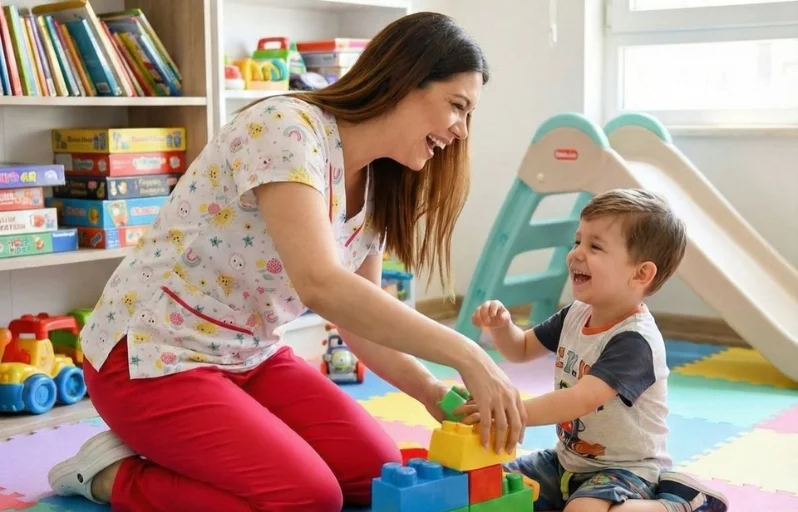
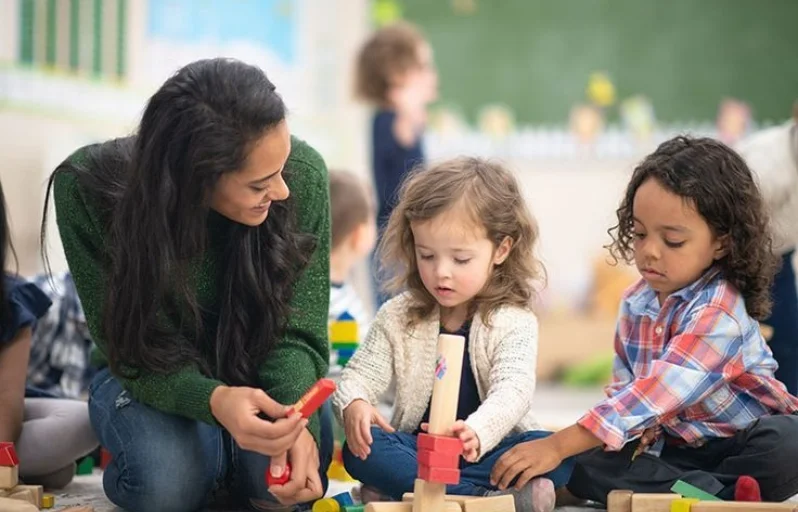
At Joyous Montessori, children learn through hands-on experiences, creativity, exploration, and personalized support.
Principle 2: Protecting the School’s Identity and Values
A school’s identity influences how children are taught and cared for.
When a Montessori school remains connected to its core values, families know what to expect. Independence, respect, curiosity, creativity, and confidence become part of the daily experience rather than words used only in a mission statement.
These values help create a school culture where children feel accepted, encouraged, and ready to explore.
Principle 3: A Clear Mission for Meaningful Learning
A clear mission guides classroom planning, teacher decisions, and family communication.
Joyous Montessori is committed to helping children become confident, independent learners through hands-on activities, thoughtful guidance, and opportunities to explore at their own pace.
This approach is important for families considering early childhood education in Keller and looking for a program that supports the whole child.
Principle 4: Consistency Across Every Classroom
Children feel more secure when the adults and environments around them share a common approach.
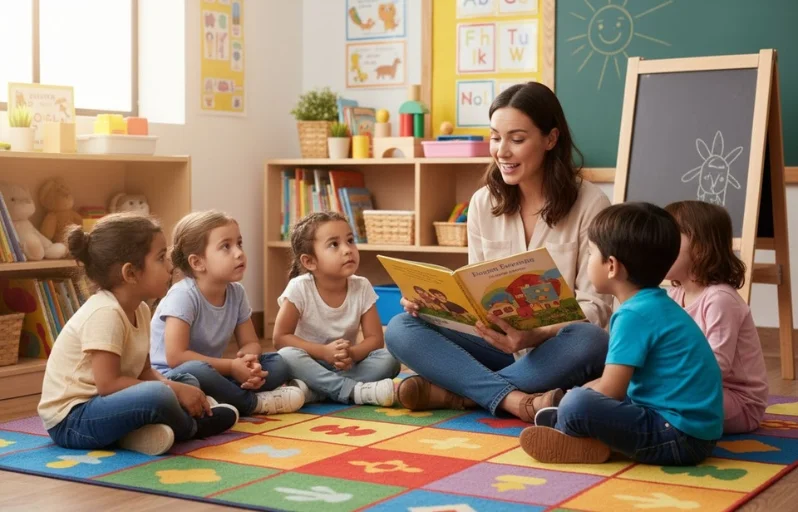
Each classroom may offer different materials and activities based on the children’s ages, but the larger principles should remain connected. Children should continue to experience respect, choice, guidance, order, and opportunities to practice independence as they move through the programs.
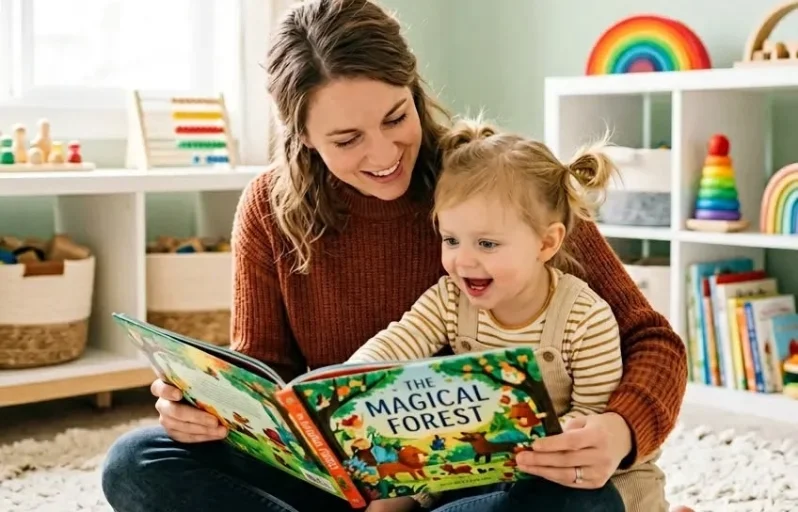
Joyous Montessori offers infant, pre-toddler, transitional toddler, primary, enrichment, and summer programs that support children through different stages of development.
Principle 5: Leadership That Brings People Together
Leadership shapes the atmosphere of a school.
Effective Montessori leadership supports teachers, welcomes family input, encourages teamwork, and keeps the school focused on children’s needs. It also helps create an environment where educators can continue learning and improving their practice.
When the adults in a school work together with clarity and purpose, children benefit from a more dependable and supportive experience.
Principle 6: Clear Roles and Shared Accountability
Children thrive when the adults around them communicate well.
Clear responsibilities help teachers, administrators, and staff understand how they contribute to the school community. This supports smoother daily routines, more consistent communication, and better coordination when children or families need additional support.
Accountability is not about creating pressure. It is about making sure every member of the team understands their role in caring for children.
Principle 7: Finding Families Who Share Montessori Values
Enrollment is about more than finding an available space.
Families searching for Montessori enrollment may want to understand how a school approaches independence, classroom choice, hands-on learning, and social development.
A tour gives parents the opportunity to ask questions, meet educators, and decide whether the environment feels right for their child.
Principle 8: Open Communication With Families
Parents want to know more than whether their child completed an activity. They want to understand how their child is growing.
Meaningful communication can include observations about confidence, friendships, language, concentration, participation, and emerging interests. Regular conversations help families celebrate progress and identify ways to support development at home.
Strong parent partnerships also help children feel that the important adults in their lives are working together.
Principle 9: Building Continuity for Children
Children need time to become comfortable, build trust, and develop confidence.
Consistent routines and familiar relationships can help children take on new responsibilities and approach challenges with greater independence.
This continuity is valuable for families exploring Infant Montessori, a Pre-Toddler Montessori program, or a Montessori school for toddlers in Keller, TX.
Principle 10: Planning for Long-Term Growth
A quality Montessori program needs thoughtful planning behind the scenes.
Long-term planning supports classroom materials, teacher development, staff collaboration, family communication, and the continued improvement of the school environment.
When a school plans carefully, it can grow while protecting the qualities that matter most to children: consistency, care, meaningful learning, and a welcoming sense of community.
The Sensory Principle: Learning Through the Senses
Sensory learning is one of the earliest ways children make sense of their surroundings.
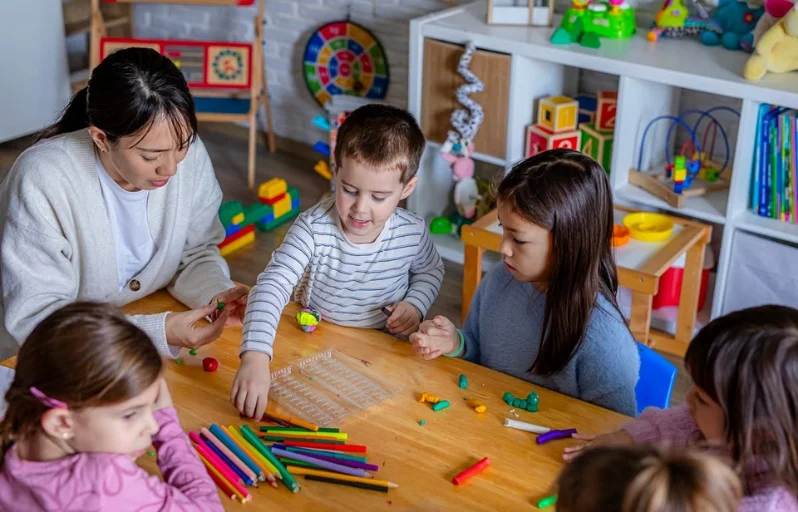
Children may compare shapes, notice differences in texture, arrange objects by size, or explore how materials fit together. These experiences support concentration, coordination, language, early mathematics, and problem-solving.
Sensory activities may include:
- Matching and sorting
- Comparing shapes and sizes
- Exploring textures
- Practicing practical life skills
- Repeating meaningful tasks
- Making choices at an individual pace
For families exploring Montessori preschool programs in Keller, TX, sensory learning is one example of how children can develop important skills through direct experience.
The goal is not to rush children through an activity. It is to give them time to observe, repeat, think, and discover.
Parents can learn more from the American Montessori Society’s guide to Montessori early childhood programs, including how hands-on materials support early learning.
Continuing the Journey Toward Excellence
Montessori excellence is built through daily choices that support children, families, and educators.
For parents asking, “Is Montessori right for my child in Keller?”, visiting the school can help answer important questions. Families can observe the environment, learn about the programs, and see how children are guided through hands-on learning.
Joyous Montessori provides programs for infants, pre-toddlers, transitional toddlers, primary-aged children, enrichment, and summer learning.
Schedule a tour to learn more about Joyous Montessori and discover a supportive environment where children can explore, grow, and build a lifelong love of learning.