What Makes Children Love Learning? The Montessori Difference Explained
Have you ever wondered why some children race into the classroom excited to learn while others quickly lose interest? The difference often isn’t intelligence or ability, it’s the learning environment. Montessori education is designed to nurture curiosity, confidence, and independence so children develop a lifelong love of learning.
The answer often isn’t about how much children are taught. It’s about how they learn.
Montessori education is designed to nurture curiosity, independence, and confidence, helping children develop a genuine love of learning from an early age.
Learning Begins with Curiosity
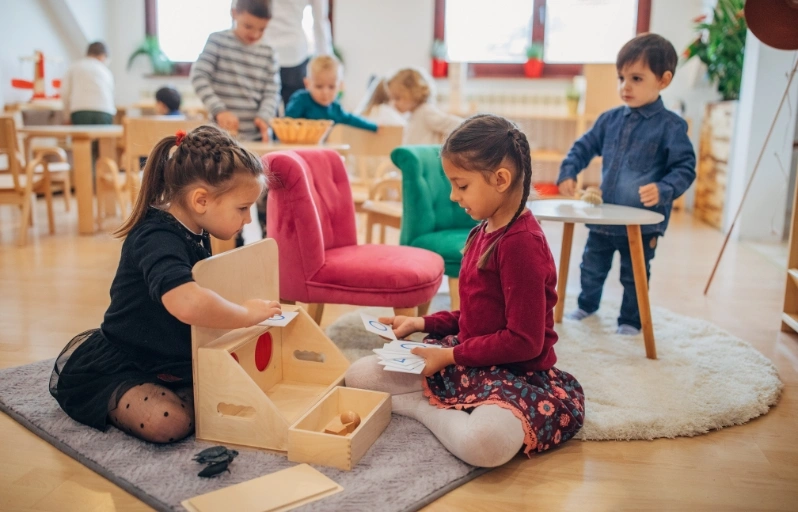
Children are naturally curious. They ask questions, explore their surroundings, and learn by doing.
Instead of asking, “How can we teach more?” consider this: How can we keep that natural curiosity alive?
Montessori classrooms encourage children to investigate, experiment, and discover at their own pace. This approach turns learning into an enjoyable experience rather than a task.
Hands-On Learning Creates Lasting Understanding
Young children learn best by interacting with the world around them.
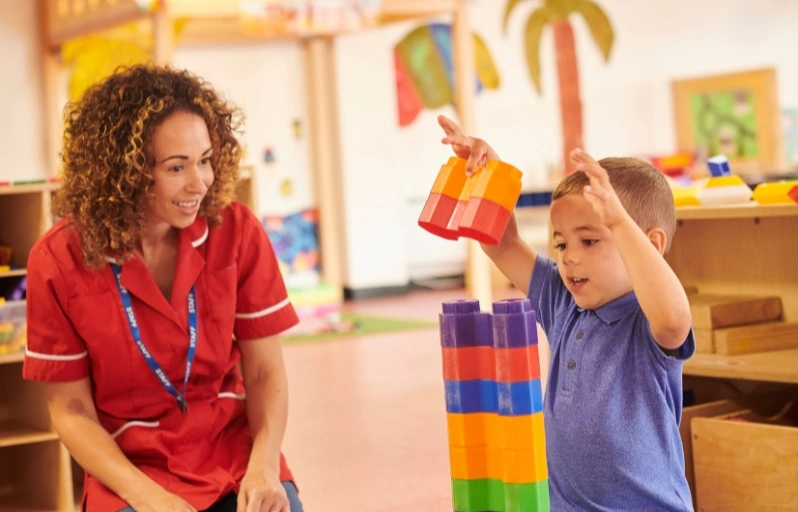
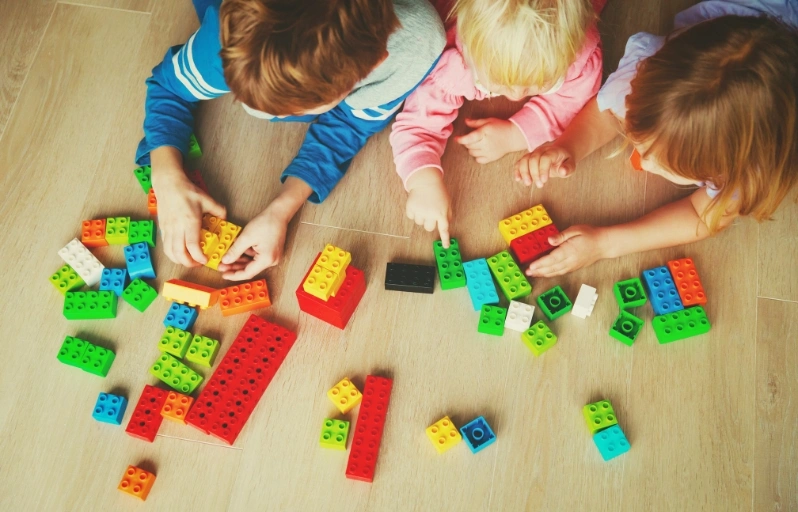
Rather than simply listening to instructions, Montessori students use carefully designed learning materials to explore concepts through touch, movement, and observation.
Whether pouring water, sorting objects, building patterns, or working with letters and numbers, children actively participate in the learning process. This hands-on approach helps them understand ideas more deeply and remember them longer.
Independence Builds Confidence
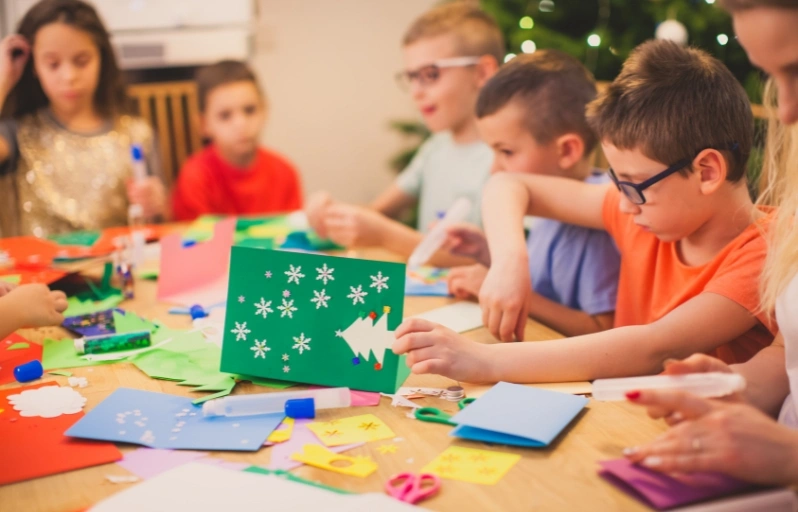
Children feel proud when they accomplish something on their own.
In a Montessori classroom, they are encouraged to:
- Choose age-appropriate activities
- Complete tasks independently
- Care for their learning environment
- Solve simple problems
- Take responsibility for their work
These everyday experiences build confidence and help children develop skills they’ll use throughout life.
Every Child Learns at Their Own Pace
Children feel proud when they accomplish something on their own.
In a Montessori classroom, they are encouraged to:
- Choose age-appropriate activities
- Complete tasks independently
- Care for their learning environment
- Solve simple problems
- Take responsibility for their work
These everyday experiences build confidence and help children develop skills they’ll use throughout life.

Teachers Guide Rather Than Direct
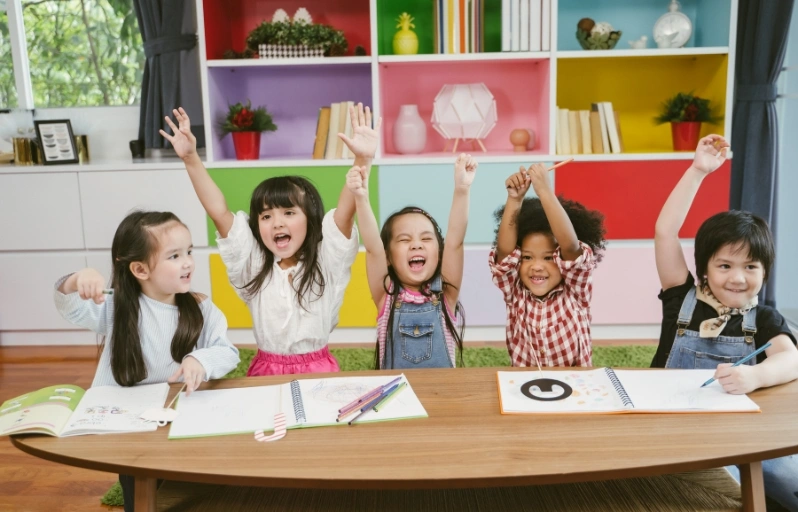
Montessori educators act as guides who observe each child’s interests and developmental needs.
Instead of providing all the answers, they ask thoughtful questions, encourage problem-solving, and support children as they discover solutions on their own.
This approach helps children become independent thinkers and confident learners.
Practical Life Skills Matter Too
Learning extends beyond letters and numbers.
Montessori classrooms include practical life activities that teach children valuable everyday skills, such as:
- Organizing materials
- Cleaning up after activities
- Caring for plants
- Preparing simple snacks
- Working cooperatively with classmates
These experiences foster responsibility, concentration, and self-confidence while making children feel capable and independent.
A Calm Environment Encourages Focus
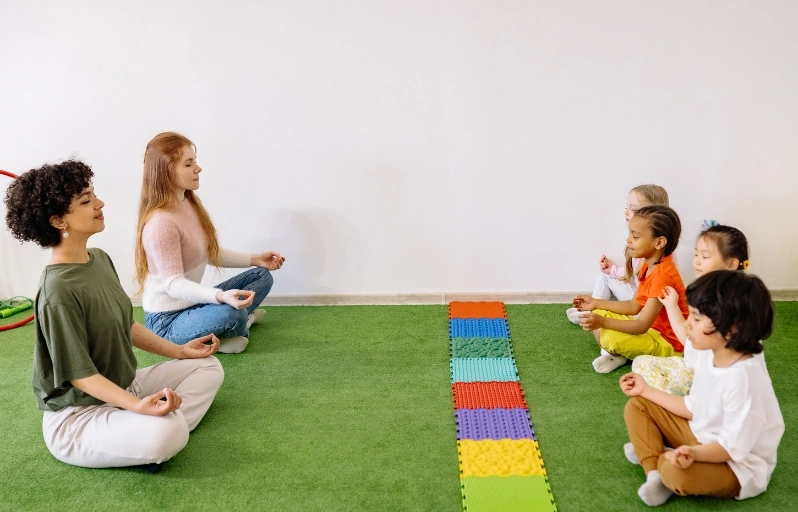
A well-prepared Montessori classroom is designed to reduce distractions and encourage concentration.
Children have uninterrupted time to work, explore, and complete activities without feeling rushed.
This peaceful environment helps them develop patience, focus, and a sense of accomplishment.
Learning Through Exploration, Not Pressure
Children are more likely to enjoy learning when they feel encouraged rather than pressured.
Instead of focusing only on grades or rewards, Montessori celebrates effort, curiosity, and progress.
As children experience success through exploration, they become more willing to try new challenges and develop a lifelong love of learning.
Why Parents Choose Montessori
Families often choose Montessori because they want more than academic preparation.
They want their children to:
- Develop confidence
- Become independent
- Build strong social skills
- Learn through meaningful experiences
- Enjoy coming to school every day
These qualities prepare children not only for kindergarten but also for future success in school and life.
Frequently Asked Questions
Montessori education focuses on child-led, hands-on learning that encourages independence, confidence, creativity, and problem-solving rather than relying solely on traditional instruction.
Children enjoy Montessori because they can explore activities that match their interests and developmental stage, making learning engaging, meaningful, and enjoyable.
Many Montessori programs welcome children as early as infancy or toddlerhood, with preschool programs typically beginning around 2½ to 3 years of age.
Montessori helps children develop academic foundations while also building independence, concentration, communication, and social-emotional skills that support long-term success.
Experience the Joy of Montessori Learning
The best way to experience Montessori education is to see it in action. Visit Joyous Montessori to explore our classrooms, meet our dedicated teachers, and discover how our child-centered approach helps children build confidence, independence, and a lifelong love of learning.
Schedule a tour today and see how Joyous Montessori can help your child thrive.