
Blog
Archive for January 8, 2026
Independence & Confidence in Children
How Montessori Supports Independence & Confidence in Children
Every parent wants their child to grow into a confident, capable, and independent individual. In early childhood, these qualities don’t develop overnight; they are carefully nurtured through daily experiences, environment, and guidance. The Montessori approach is uniquely designed to support independence and confidence in children from a very young age. At Joyous Montessori, we see this transformation happen every day as children learn not just academic skills, but life skills that shape who they become.
Independence Begins in Early Childhood
The Montessori philosophy recognizes that children are naturally driven to do things for themselves. From a toddler learning to pour water to a preschooler choosing their own work, independence begins when children are trusted with responsibility. Montessori classrooms are intentionally prepared to support this desire. Materials are placed at child level, activities are self-directed, and routines are consistent, allowing children to move confidently through their day.
Rather than doing things for the child, Montessori educators guide children on how to do things by themselves. This empowers children to take ownership of their learning and builds a strong sense of self-worth.

A Prepared Environment That Encourages Confidence
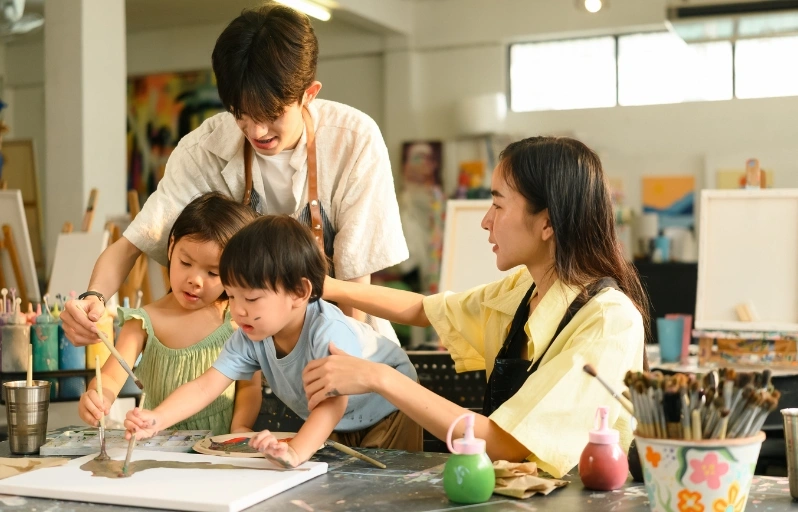
One of the most powerful elements of Montessori education is the prepared environment. Every shelf, material, and workspace is designed with a clear purpose. Children know where things belong and how to use them, which creates a sense of order and security.
When children are able to independently select activities and complete them successfully, confidence naturally grows. They experience the satisfaction of accomplishing a task on their own, whether it’s completing a puzzle, caring for classroom plants, or practicing early math skills. These small successes add up and shape a child’s belief in their abilities.
Learning at Their Own Pace Builds Self-Assurance
In traditional learning settings, children are often expected to move at the same pace. Montessori takes a different approach by honoring each child’s individual development. Children are free to spend more time on activities that challenge them and move ahead when they are ready.
This individualized pace eliminates unnecessary pressure and comparison. Instead of feeling rushed or left behind, children gain confidence by mastering skills in their own time. When a child feels capable and respected, they are more likely to take healthy risks and embrace new challenges.
Practical Life Skills Create Real-World Confidence
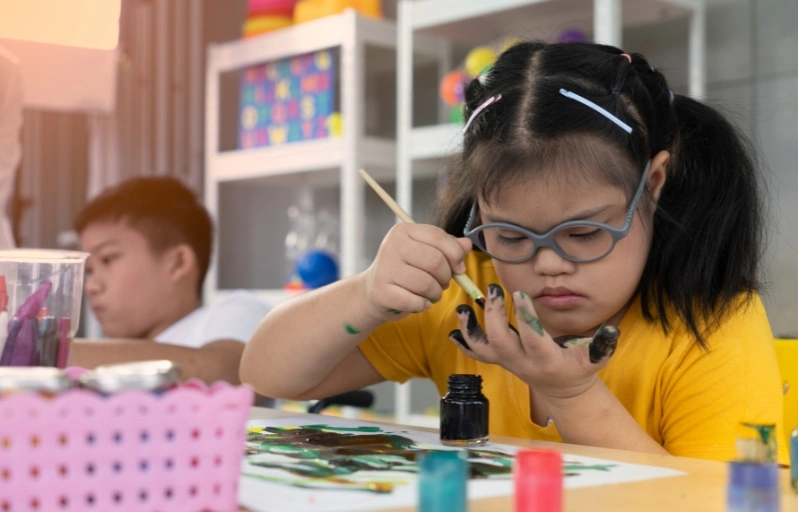
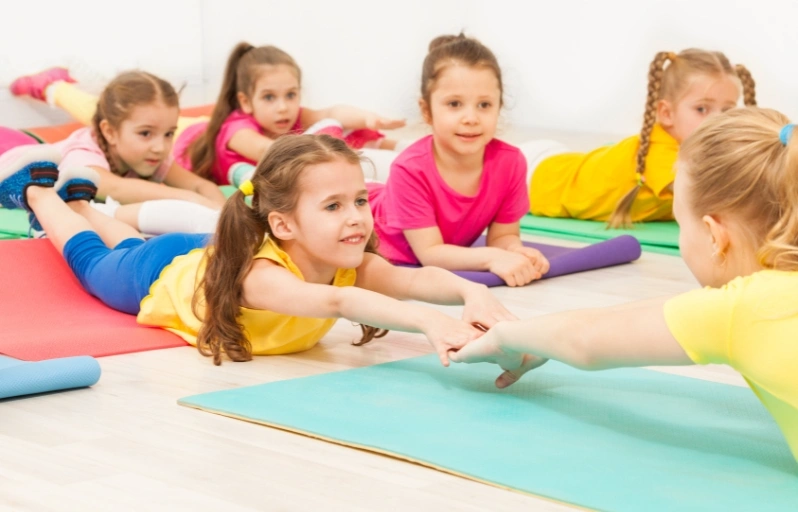
Montessori places strong emphasis on practical life activities, everyday tasks that teach children how to care for themselves and their environment. Activities like buttoning, pouring, cleaning, and food preparation help children develop coordination, focus, and responsibility.
For toddlers and young children, these tasks are powerful confidence-builders. When a child can zip their own jacket or clean up after themselves, they feel capable and proud. These real-world skills reinforce the idea that they are competent individuals who can contribute meaningfully to their surroundings.
Teachers as Guides, Not Directors
Montessori teachers are trained to observe, guide, and support rather than control the learning process. Instead of giving constant instructions, teachers step back and allow children to explore independently. This respectful approach helps children trust their own decision-making.
When mistakes happen, and they do, children are encouraged to problem-solve rather than rely on adult correction. Many Montessori materials are designed with built-in self-correction, allowing children to identify and fix errors on their own. This process builds resilience and teaches children that mistakes are part of learning, not something to fear.
Building Social Confidence Through Respectful Interaction
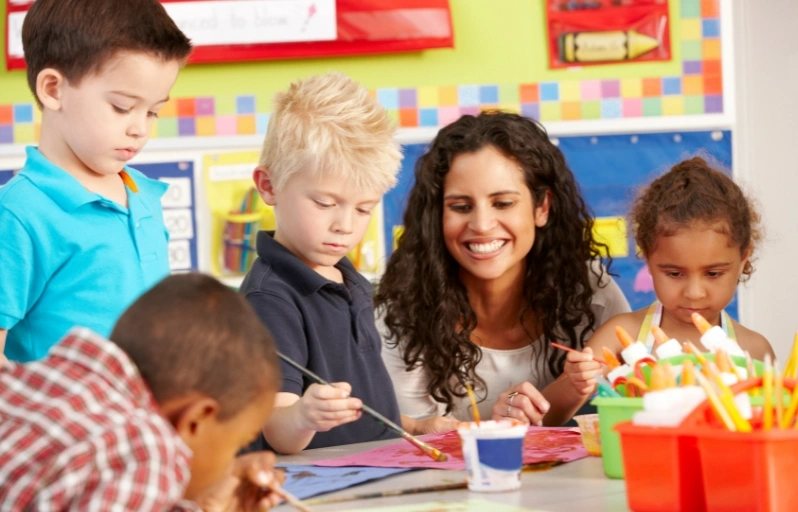
Independence and confidence extend beyond academics into social development. Montessori classrooms often include mixed-age groups, giving younger children opportunities to learn from older peers and older children chances to lead. This dynamic builds empathy, communication skills, and leadership.
Children learn how to express themselves respectfully, wait their turn, collaborate, and resolve conflicts peacefully. These experiences help children develop confidence in social settings and prepare them for positive relationships throughout life.
Encouraging Choice and Responsibility
Choice is a cornerstone of Montessori education. Children choose their work, where they sit, and how long they engage in an activity. With this freedom comes responsibility. Children learn to manage their time, respect materials, and complete tasks they begin.
This balance of freedom and responsibility teaches children that their choices matter. Over time, they become more confident in making decisions and trusting their judgment, skills that are essential far beyond the classroom.

Confidence That Lasts a Lifetime
The confidence built in Montessori is not based on praise alone, but on genuine accomplishment and self-discovery. Children learn that they are capable, trusted, and valued. These early experiences shape how they approach challenges, relationships, and learning as they grow.
At Joyous Montessori, our goal is to nurture confident, independent children who believe in themselves and their abilities. By honoring each child’s individuality and encouraging independence every step of the way, we help lay a strong foundation for lifelong success.
If you’re looking for an environment where your child can grow with confidence, curiosity, and independence, we invite you to schedule a tour and experience the Montessori difference firsthand.