Blog
Posts by admin
The 4 Instructive Techniques Of Montessori
The Montessori Method is a revolutionary educational philosophy that emphasizes hands-on learning, independence, peer collaboration, and respect for each child’s natural development pace. Developed by Maria Montessori (1870–1952), an Italian educator and physician, this approach continues to guide many successful early education programs, including those offered at Montessori Keller, TX.
A Child-Centered Approach to Learning
The Montessori Method is a unique style of education that focuses on fostering each child’s natural curiosity and independence. Rather than following a rigid curriculum, it encourages learning in harmony with a child’s individual interests and development. This holistic approach promotes not only academic knowledge but also emotional, social, and physical growth.
This method is widely practiced at our Infant daycare Keller and early childhood programs, where children are treated as naturally curious and capable learners. Through carefully designed classrooms and thoughtful guidance, each child is given the opportunity to grow at their own pace.
The 4 Core Techniques of Montessori
1. Respect for the Child
2. The Sponge Effect
Children absorb knowledge from their environment continuously, just like sponges. What they absorb is shaped by their daily interactions and experiences. In Montessori classrooms, uninterrupted blocks of time are provided so children can fully immerse themselves in activities. This freedom of exploration is key to meaningful learning, especially during early development years, making it a core principle of our Infant daycare Keller services.
3. Sensitive Periods
Children go through “sensitive periods” when they are especially receptive to learning certain skills, such as language, order, or motor development. These periods vary by child, and Montessori educators are trained to recognize them and introduce the right activities at the right time. By doing so, we ensure that every child at Montessori Keller, TX receives instruction tailored to their personal development timeline.
4. The Prepared Environment
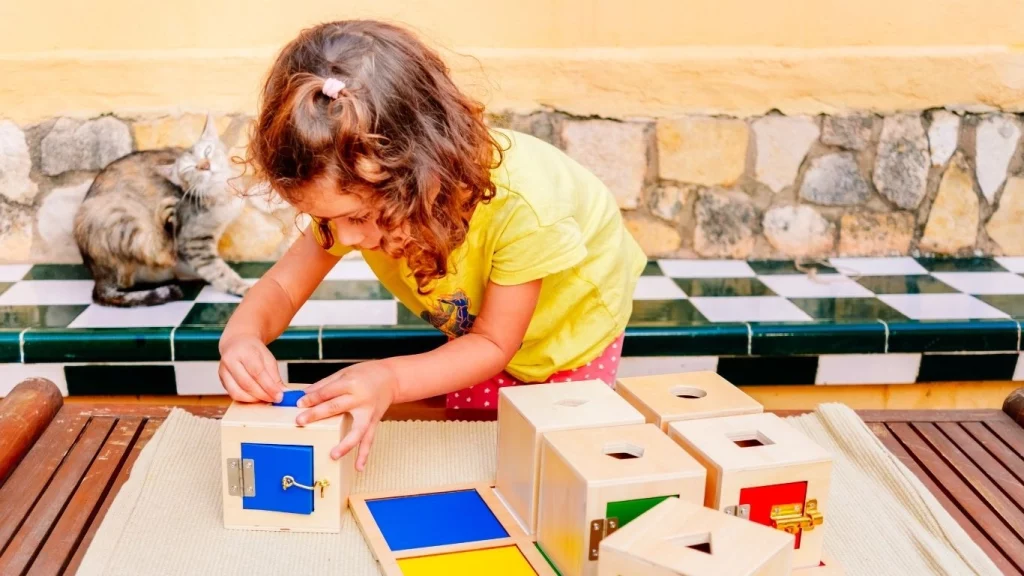
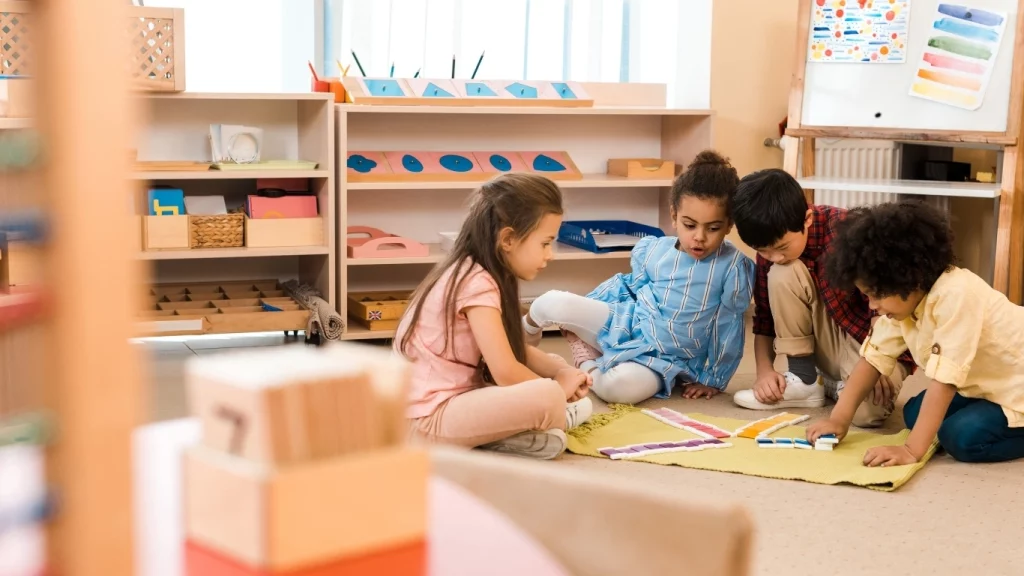
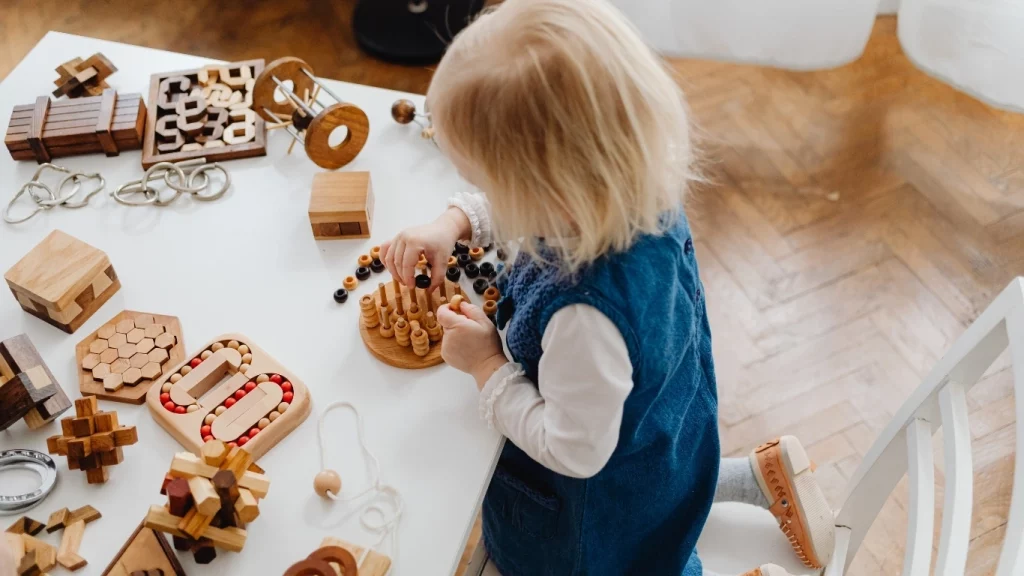
One of the defining features of a Montessori classroom is its organization and accessibility. Learning materials are arranged neatly, within children’s reach, and in a way that encourages exploration. Classrooms are thoughtfully designed to be visually inviting, engaging, and developmentally appropriate. The prepared environment supports every child, regardless of age or ability, in becoming an active participant in their learning journey.
The Power of Auto-Education
The Montessori Impact
The Montessori Method’s instructive techniques provide children with the tools to become independent thinkers, compassionate peers, and enthusiastic learners. At Joyous Montessori, Keller, TX, we implement these principles every day, fostering growth from infancy through the early childhood years.
Whether you’re looking for Infant daycare in Keller or a nurturing learning environment for toddlers and preschoolers, our programs, grounded in the Montessori philosophy, offer a powerful start to your child’s lifelong educational journey.
WHAT DOES ART LOOK LIKE IN THE MONTESSORI CLASSROOM?
Your child is a unique individual with their own pace, preferences, and passions. That’s why choosing the right educational environment is one of the most important decisions you’ll make. With so many schools and learning approaches to explore, Montessori stands out as a philosophy that honors individuality and fosters holistic growth.
A key element of the Montessori experience is creative expression through art. But art in this environment isn’t just about finger painting or drawing inside the lines, it’s about curiosity, discovery, and developing lifelong skills through hands-on exploration.
Understanding the types of art experiences your child engages in can help you better support their creativity both in and out of the classroom. Here’s what art looks like in a Montessori setting, and how you can carry that inspiration into your home.
Freedom to Choose
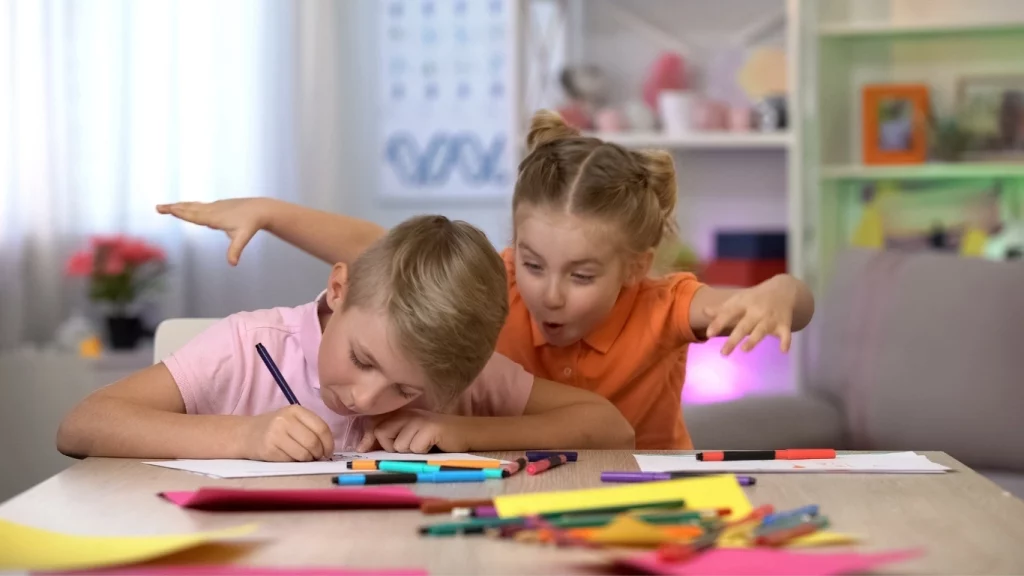
In a Montessori classroom, children aren’t directed to color within the lines, copy a model drawing, or all make the same craft. Instead of structured, teacher-led projects, Montessori art is about freedom of choice and exploration.
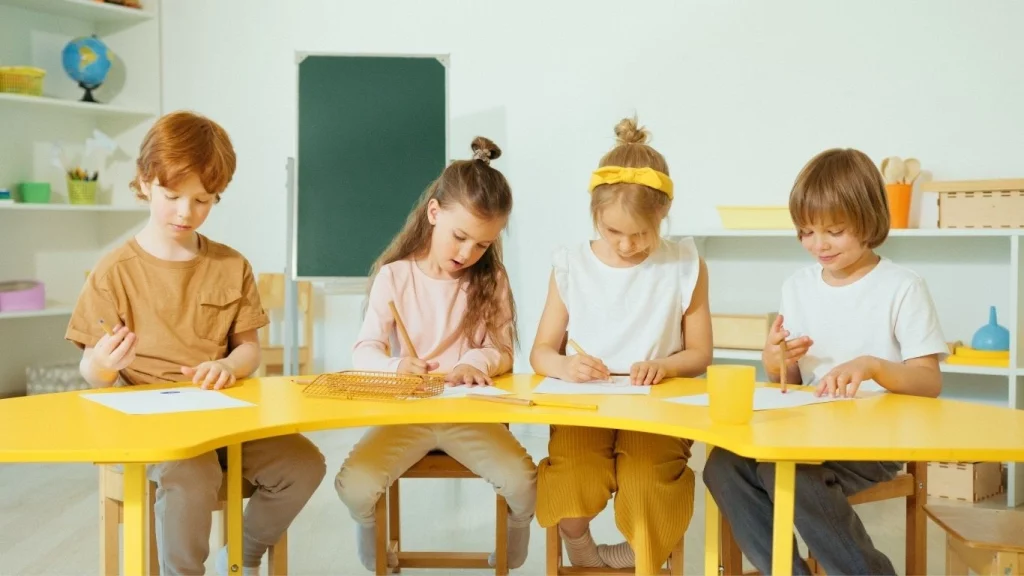
Educators carefully prepare the environment, offering a variety of open-ended materials that children can access independently. The child might choose from colored pencils, paints, clay, or collage items arranged on accessible trays or low shelves. This setup invites students to follow their interests and make decisions about what to create and how to create it.
This child-led approach fosters independence, decision-making, and creative confidence, all while encouraging spontaneity and originality.
A World of Open-Ended Materials
Montessori art materials are typically open-ended, meaning there is no “right” or “wrong” way to use them. These tools encourage experimentation and support the idea that creativity comes from the process, not the product.
Children may find:
- Trays of vibrant paints with brushes and rollers of different sizes
- Crayons, markers, or chalk for abstract drawing and line work
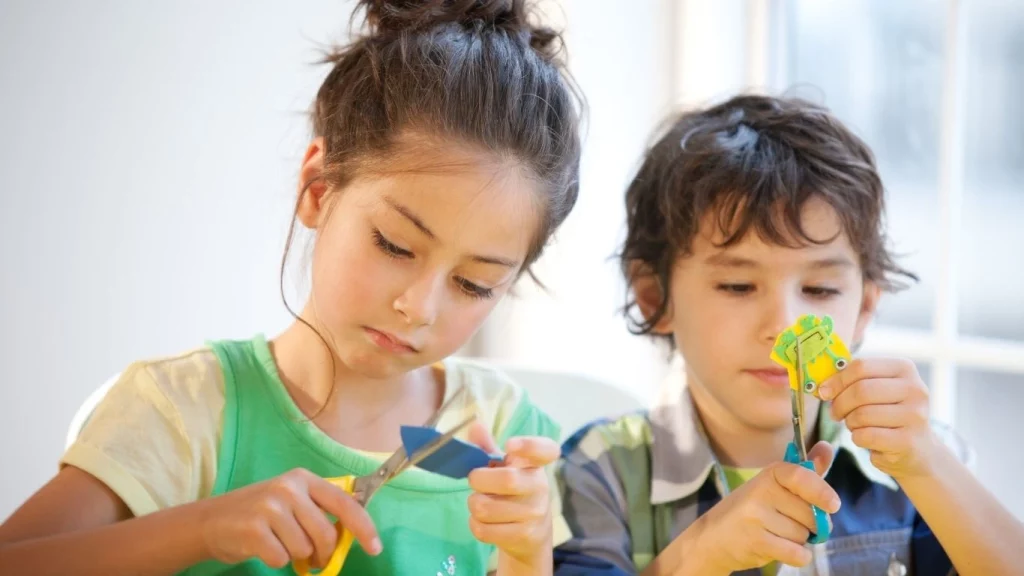
- Tissue paper, glue sticks, and scissors for freeform collages
- Modeling clay for sensory sculpting and texture exploration
They might mix colors, layer materials, roll, stamp, or even finger-paint to discover new techniques. What’s important isn’t what they make, but that they are given the space, time, and freedom to express themselves.
Trays and shelves are intentionally organized to look beautiful and inviting, which nurtures a child’s sense of order and care for their environment, two key Montessori values.
Creativity Without Expectation
In Montessori, art is not about creating something perfect to display, although parents are welcome to cherish their child’s work. Instead, the focus is on the joy of the creative process.
Children create because they want to, not to fulfill an assignment or please an adult. As a result, they build inner motivation and pride in their own efforts.
Parents and educators are encouraged to take a hands-off approach: stand back, observe, and let your child explore their ideas in their own way. This helps cultivate true creativity, self-expression, and confidence.
Bringing Montessori Art Home
You don’t need a classroom to support Montessori-style art. At home, you can offer simple materials like crayons, paper, paint, clay, or fabric scraps and let your child lead the way. Avoid giving step-by-step instructions or setting expectations for the outcome; just let your child create freely.
Inspired to Learn More?
At Joyous Montessori, Keller, TX, we believe in nurturing the whole child, creatively, intellectually, emotionally, and socially. If you’re curious about how a Montessori education can benefit your child, we’d love to talk.
Visit us or contact us today to learn more about our programs and philosophy.
POTENTIAL BENEFITS OF A MONTESSORI EDUCATION
Choosing the right preschool for your child is one of the most important decisions you’ll make as a parent. With so many early childhood education options available, understanding the benefits of a Montessori education can help you make an informed choice.
Montessori schools provide a child-centered learning environment that encourages independence, confidence, and a lifelong love of learning from an early age.
How Montessori Learning Works
Montessori education is based on a child-centered philosophy that encourages children to learn through hands-on experiences and self-directed exploration. In a Montessori classroom, children choose from carefully prepared activities designed to support their developmental needs and interests.
Teachers serve as guides, offering support and introducing new concepts when children are ready. Mixed-age classrooms also encourage collaboration, leadership, and peer learning.
Supporting Social and Emotional Growth
Montessori classrooms promote respect, cooperation, and empathy. Through daily interactions with children of different ages, students develop strong communication and problem-solving skills.
Children learn how to work independently, collaborate with others, and resolve conflicts respectfully, helping them build emotional resilience and social confidence.
Developing Confidence and Self-Esteem
Montessori education supports the development of the whole child. By allowing children to learn at their own pace and make meaningful choices, they gain confidence in their abilities and develop a positive sense of self.
This nurturing environment helps children become independent learners who are motivated to explore new ideas and challenges.
Building Strong Math and Science Skills
Montessori classrooms use hands-on learning materials that make math and science concepts easier to understand. Children can explore abstract ideas through concrete experiences, helping them build a strong academic foundation.
By encouraging observation, experimentation, and critical thinking, Montessori education helps children develop important problem-solving skills.
Encouraging Independence and Everyday Life Skills
Montessori classrooms encourage independence from an early age. Children learn practical life skills such as organizing materials, caring for their environment, and taking responsibility for their work.
These experiences help build self-discipline, confidence, and essential life skills that benefit children both inside and outside the classroom.
How to Know if Montessori Is the Right Fit
While Montessori education offers many benefits, every child learns differently. Montessori programs are often a great fit for children who enjoy hands-on activities, independent learning, and structured environments that encourage exploration.
Considering your child’s personality, learning style, and developmental needs can help determine if Montessori is the right choice.
Choosing an Authentic Montessori School
Because the term “Montessori” is not trademarked, it’s important to choose a school that follows authentic Montessori principles and employs properly trained Montessori educators.
A quality Montessori program should provide a prepared learning environment, hands-on materials, and opportunities for children to develop independence, respect, and cultural awareness.
Discover the Joyous Montessori Difference
Montessori education helps children build confidence, independence, and a lifelong love of learning through hands-on experiences and self-directed discovery.
See how Montessori learning develops focus, independence, and confidence.
👉 Explore programs at Joyous Montessori
👉 Enroll today and support your child’s future success
👉 Book your tour today and meet our educators
3 WAYS MONTESSORI PROGRAMS PROMOTE INDEPENDENCE IN YOUNG CHILDREN
3 Powerful Ways Montessori Programs Foster Independence in Young Children
The early years of childhood are marked by tremendous growth. During this time, children transform from helpless infants into capable, curious individuals who actively participate in both classroom life and family routines. These formative years shape not only cognitive abilities but also confidence, self-reliance, and a sense of responsibility.
Joyous Montessori supports this journey with Montessori Care for Ages 6 Weeks to 6 Years in Keller, including high-quality Infant daycare Keller, designed to meet the unique developmental needs of every child.
As a parent, one of your most important goals is to nurture your child’s independence, a trait that will serve them for a lifetime. Choosing a Montessori program is a proactive step toward supporting this development. By working hand-in-hand with dedicated Montessori teachers, you’ll be empowering your child to flourish in a prepared environment designed specifically for their age and stage.
Here are three impactful ways Montessori programs promote independence in young children:
1. Promoting Language Development
Montessori education recognizes that even the youngest children possess an innate desire to understand and engage with their environment. From birth, children observe and absorb the world around them, laying the foundation for language.
In the Montessori classroom, language is nurtured thoughtfully and intentionally. Teachers model respectful, rich vocabulary, avoiding baby talk and instead using real words to describe the world. This approach helps children grow confident in their ability to express their thoughts and needs.
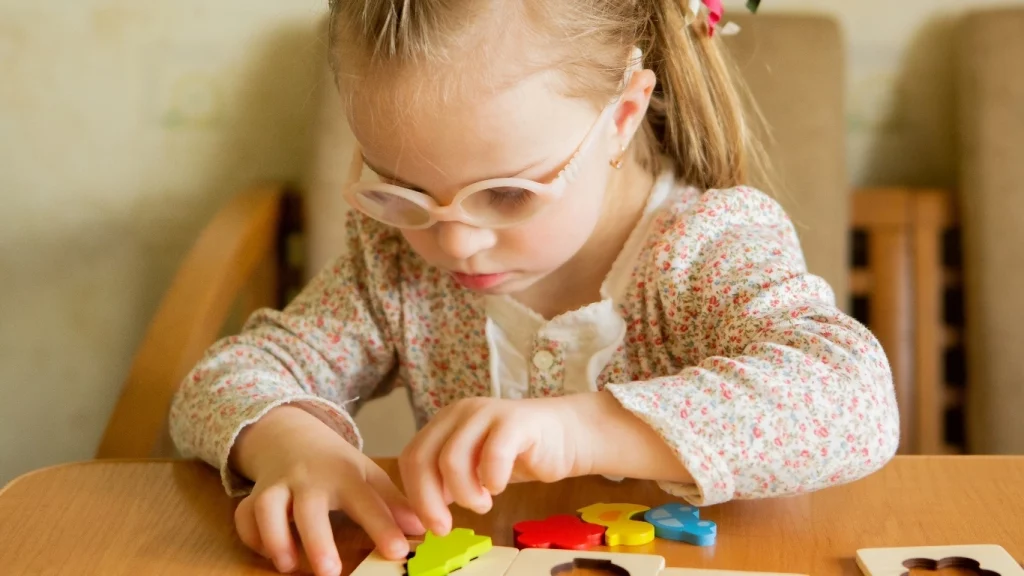
Instead of using restrictive language like “no,” Montessori teachers offer gentle redirection. For example, a child who wants to run inside might be offered the choice to do a quiet activity like a puzzle or reading. These daily interactions help children expand their vocabulary, process choices, and feel understood, essential milestones for developing independence.
2. Encouraging Self-Help Skills
From an early age, children show a natural interest in doing things on their own, pouring water, dressing themselves, or tidying up after a meal. Montessori classrooms are intentionally designed to support this instinct for independence.
Everything in the environment is child-sized and easily accessible. Children sit at small tables, use low shelves, and work with materials created just for them. This setup allows children to choose, use, and return materials without adult intervention.
Montessori teachers guide children in building life skills step by step. For instance, a child might begin by placing their coat in a cubby, then move on to putting it on by themselves, and eventually learn how to zip or button it up. These small but meaningful successes build confidence and teach responsibility in a nurturing, non-rushed atmosphere.
3. Being Attentive to Each Child’s Unique Needs
Every child learns at their own pace and has different preferences. Some may enjoy group work, while others may thrive in solo activities. In a Montessori classroom, children are free to explore both.
The day is intentionally unhurried, allowing each child ample time to complete tasks and explore interests deeply. If a child needs more time to wipe up a spill or master an activity, the teacher offers quiet encouragement. If a child quickly completes a task, they are gently guided to the next challenge.
This attentiveness ensures children feel seen, respected, and supported, all of which reinforce their sense of autonomy. With this encouragement, children begin to trust their abilities and make independent choices with growing confidence.