Blog
Posts Tagged ‘Early Childhood Development’
Montessori Parenting: Teaching Life Skills Through Everyday Activities
Parenting is a journey filled with countless teachable moments. The Montessori approach to parenting emphasizes hands-on learning, independence, and real-world skills that prepare children for life. Unlike traditional education, which often relies on rote memorization, Montessori parenting integrates learning into everyday activities, helping children gain confidence and practical abilities through natural experiences.
At Joyous Montessori, we believe that every child has the potential to thrive when given the right guidance and environment. Our Montessori programs encourage children to explore, learn, and develop essential life skills through engaging, age-appropriate activities. And now, to make quality education more accessible, we are offering 20% Off the First Month’s Tuition!
Understanding Montessori Parenting
The Importance of Teaching Life Skills
Practical Life Activities in Montessori Parenting
Montessori principles can be applied to various aspects of daily life. Here are some practical activities that help instill life skills in children:
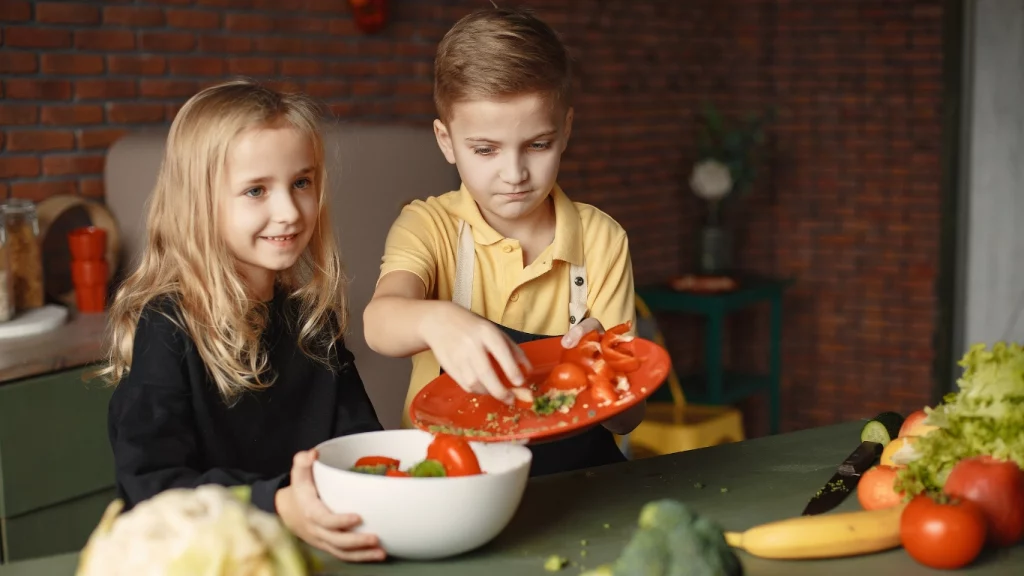
1. Cooking and Meal Preparation
Cooking is an excellent way to teach children essential life skills, such as following instructions, measuring, and developing fine motor skills. Encourage your child to:
- Wash fruits and vegetables
- Pour ingredients into bowls
- Stir batter or mix ingredients
- Set the table for meals
- Spread butter or jam on toast
These simple tasks enhance coordination, patience, and an appreciation for healthy eating habits.
2. Cleaning and Organizing
- Wiping tables and countertops
- Sweeping small spills with a handheld broom
- Folding small towels or clothes
- Watering plants and caring for pets
- Organizing toys and books after playtime
By incorporating these activities into their routine, children learn to take pride in their environment and develop a sense of responsibility.
3. Dressing and Self-Care
- Providing clothes with simple fasteners, like elastic waistbands or Velcro shoes
- Teaching them to button shirts and zip jackets
- Encouraging them to brush their teeth and wash their hands independently
- Allowing them to choose their outfits based on the weather
These activities promote independence, self-confidence, and decision-making skills.
4. Money Management and Shopping
- Comparing prices and choosing items within a budget
- Counting money and handling cash transactions
- Placing groceries on the conveyor belt and bagging items
- Understanding the value of money and making wise purchasing choices
These experiences help children understand financial responsibility from a young age.
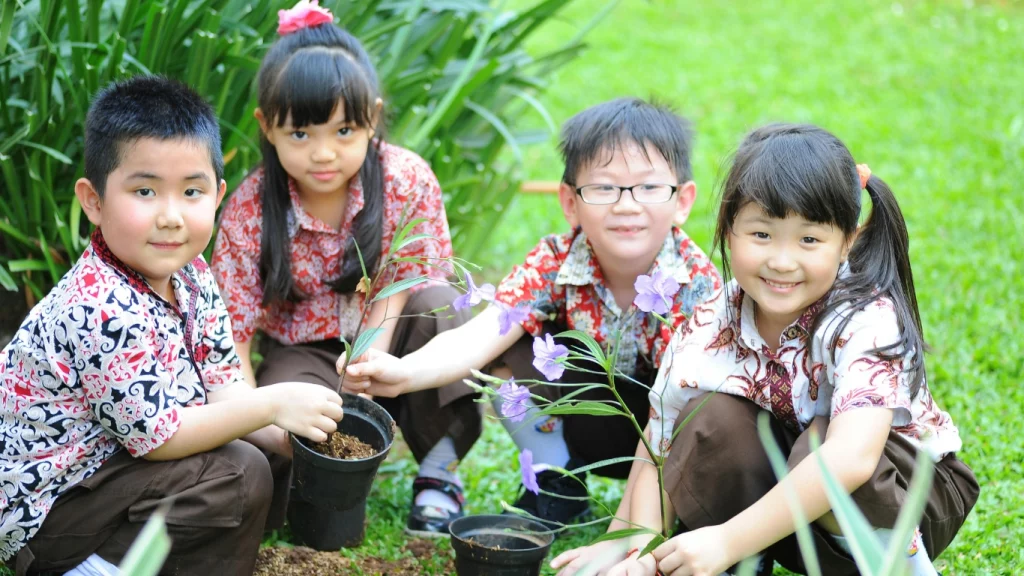
5. Gardening and Outdoor Activities
- Planting seeds and watering plants
- Pulling weeds and caring for a garden
- Observing the growth of fruits and vegetables
- Learning about different plants and their uses
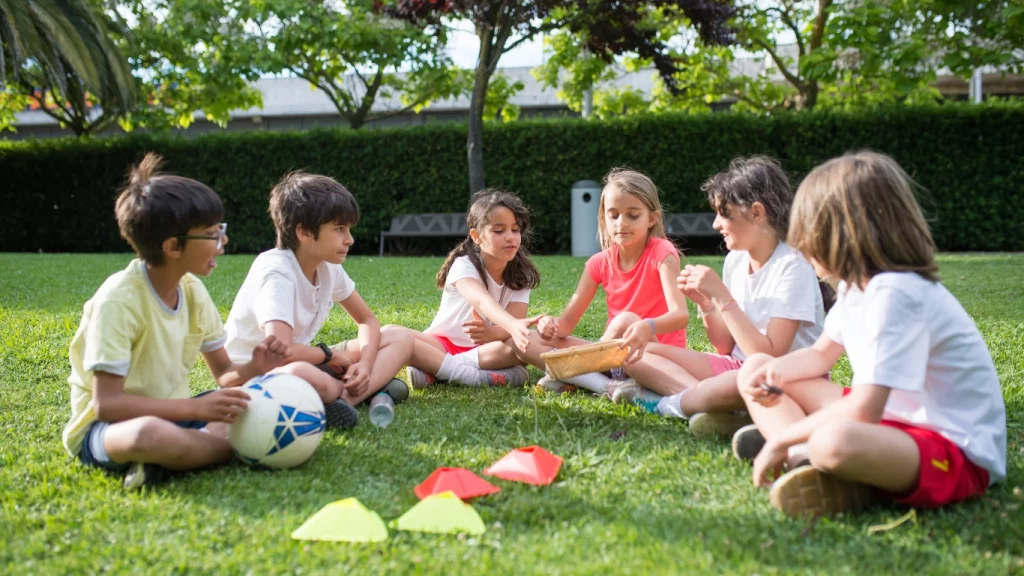
Outdoor activities like nature walks, scavenger hunts, and camping trips also encourage curiosity, problem-solving, and a connection with the environment.
6. Communication and Social Skills
- Use polite phrases like “please” and “thank you”
- Express their feelings and thoughts clearly
- Engage in storytelling and imaginative play
- Participate in family discussions and decision-making
By fostering healthy communication habits, children develop emotional intelligence and build meaningful relationships.
Creating a Montessori-Friendly Home Environment
A Montessori-inspired home provides a space where children can freely explore and engage in meaningful activities. Here’s how you can create an environment that encourages learning
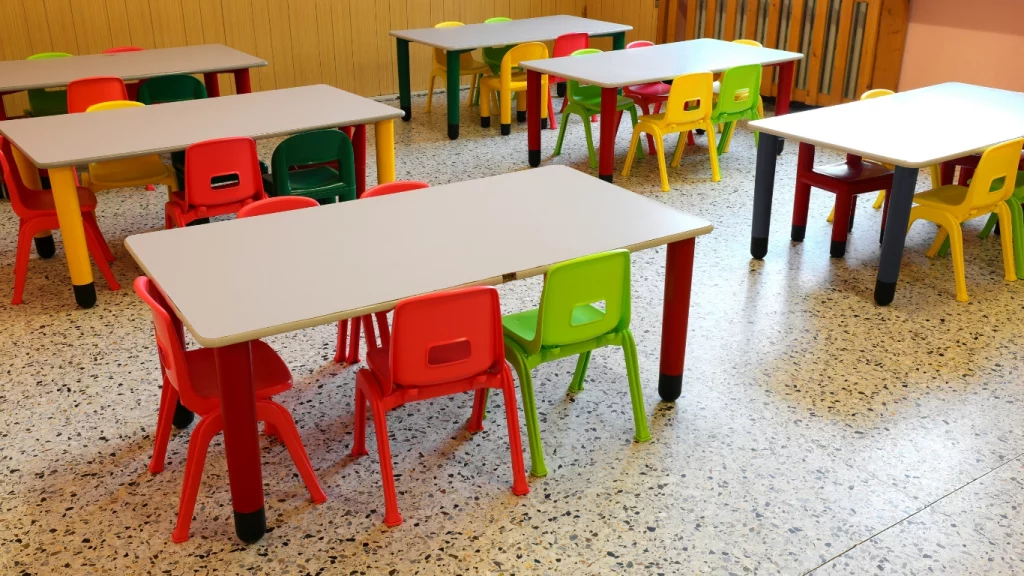
Child-Sized Furniture
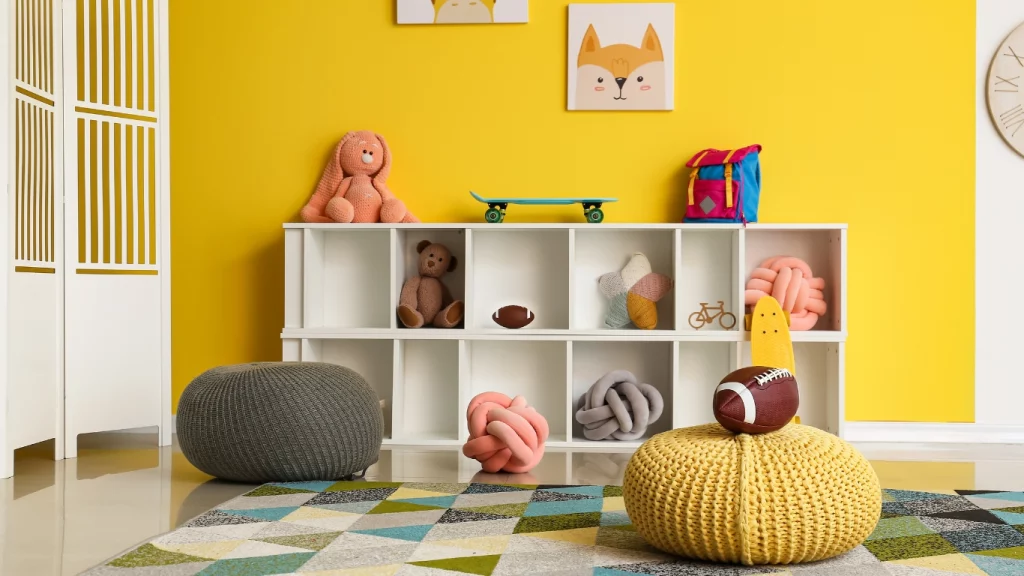
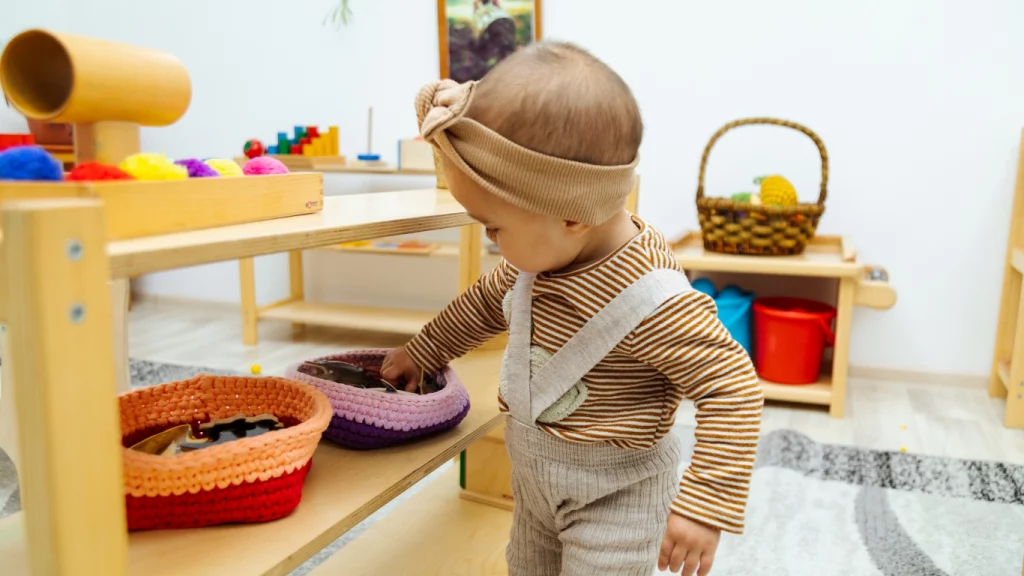
Low shelves, tables, and chairs allow children to access materials independently.
Organized Spaces
Clearly labeled bins and designated spaces for toys, books, and clothes promote order and responsibility.
Accessible Tools
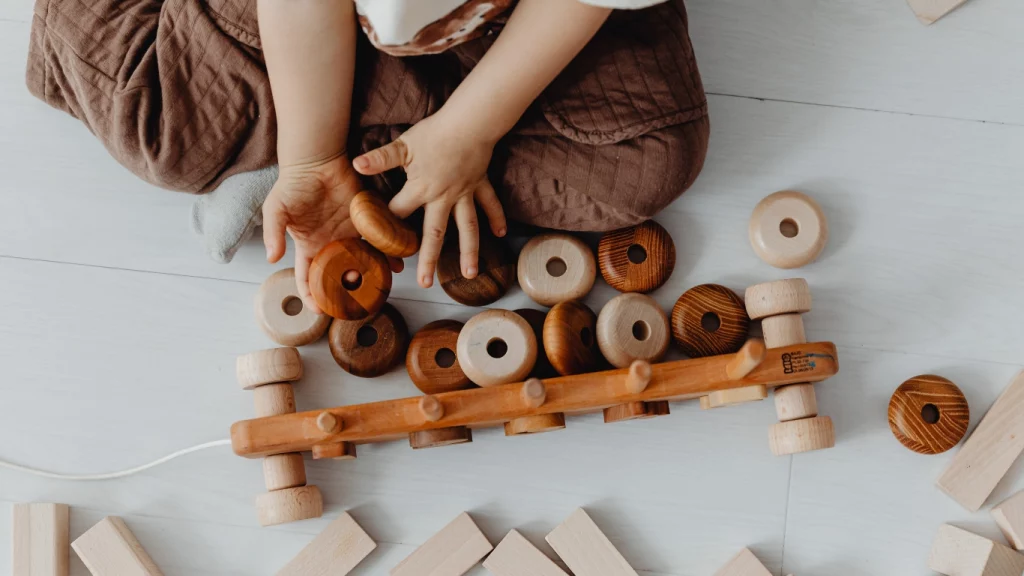
Natural Materials
Limited Distractions
The Benefits of Montessori Parenting
Incorporating Montessori principles into daily life offers numerous benefits, including:
Increased Independence
Children learn to take care of themselves and their environment.
Enhanced Problem-Solving Skills
Boosted Confidence
Stronger Parent-Child Bond
Engaging in activities together fosters a deeper connection and mutual respect.
Lifelong Love for Learning
Children develop curiosity and enthusiasm for exploring the world around them.
Joyous Montessori: A Home for Holistic Learning
Final Thoughts
Montessori parenting is a powerful approach that turns everyday experiences into valuable learning opportunities. By integrating life skills into daily routines, parents can raise confident, capable, and responsible individuals. Whether it’s cooking, cleaning, dressing, or gardening, each task contributes to a child’s growth and development in meaningful ways.
Embrace the Montessori method and watch your child thrive in an environment that nurtures independence, creativity, and joy in learning! And if you want a structured and engaging Montessori experience, consider enrolling your child at Joyous Montessori, where we turn learning into a lifelong adventure!
The Montessori Advantage: Why Now is the Perfect Time to Enroll Your Child

As a parent, have you ever paused and wondered:
“Am I choosing the right educational path for my child?”
It’s not just about academics, is it?
It’s about confidence. Independence. Happiness.
It’s about who your child becomes, not just what they learn.
With so many options available, deciding where your child should begin their educational journey can feel overwhelming. Traditional preschool? Daycare? Montessori?
And maybe the bigger question is:
If Montessori feels right… Why wait?
At Joyous Montessori, we’ve seen firsthand how early enrollment can shape a child’s growth in powerful ways. Let’s explore why Montessori offers such a strong advantage, and why now may be the perfect time to act.
1. What If Learning Were Designed Around Your Child?
Have you noticed how differently children learn?
Some move quickly.
Some observe quietly before engaging.
Some dive in hands-first.
So why would every child be expected to learn the same way, at the same pace?
Montessori education is built on a child-centered foundation. Instead of pushing every student through identical lessons, children work at their own developmental pace.
Imagine your child:
- Choosing meaningful work independently
- Exploring subjects that spark curiosity
- Feeling proud instead of pressured
At Joyous Montessori, teachers guide rather than lecture. They observe and introduce lessons when the child is ready, not when a calendar says they should be.
And here’s something important to consider:
What could happen if your child experienced this kind of personalized support from the very beginning?
2. How Does Hands-On Learning Shape Long-Term Success?
Think about this:
Do children truly understand concepts by memorizing them… or by experiencing them?
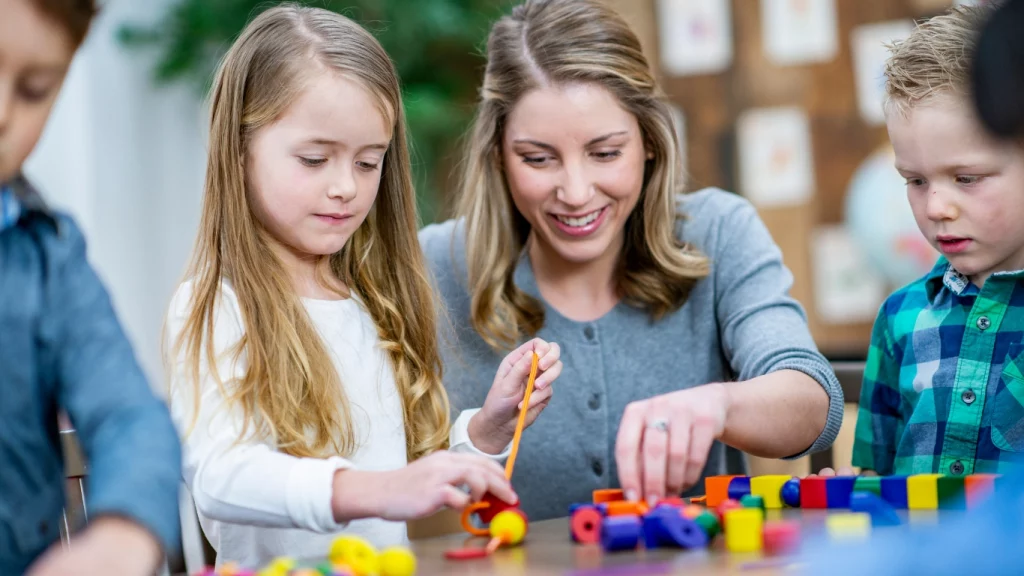
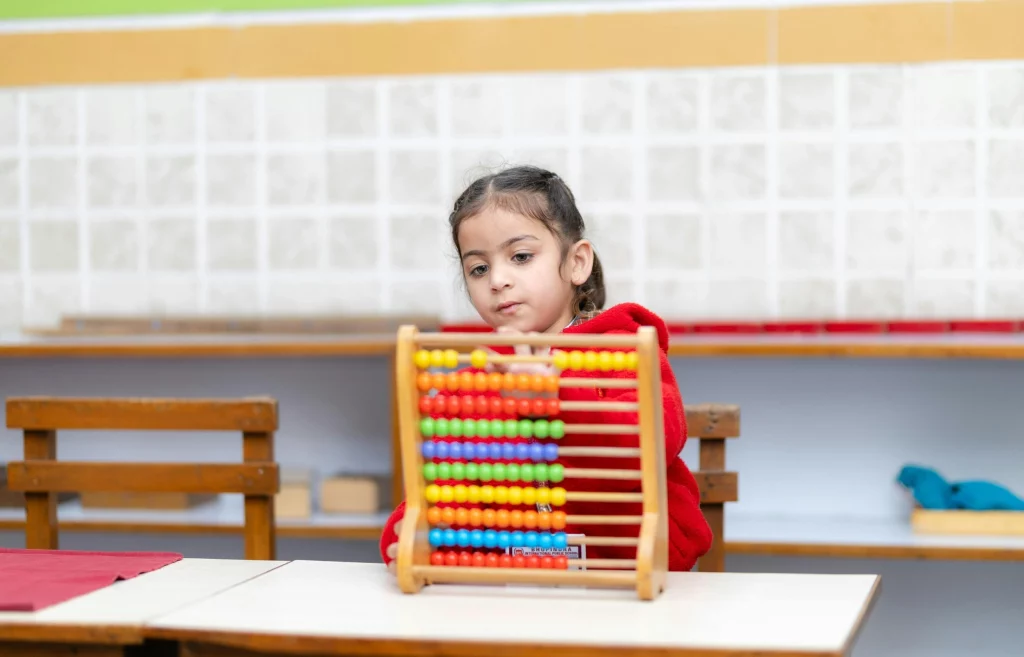
Montessori classrooms are filled with hands-on materials designed to make abstract ideas concrete. Instead of worksheets, children use tactile tools, counting beads, number rods, and sandpaper letters, which allow them to feel learning.
When a child physically experiences math, language, or science concepts:
- Critical thinking develops naturally
- Problem-solving becomes intuitive
- Confidence grows through mastery
Rather than asking, “Did I get the right answer?”
Children begin asking, “How does this work?”
And when curiosity replaces pressure, something powerful happens: learning becomes joyful.
Wouldn’t you want that foundation in place as early as possible?
3. What Happens When a Child Learns Independence Early?
Let’s pause for a moment.
How does your child react when they say, “I can do it myself”?
Montessori classrooms are intentionally designed to encourage independence. Children:
- Pour their own water
- Prepare simple snacks
- Return materials independently
- Make thoughtful choices
These may seem like small actions, but they build something much bigger: self-belief.
When children are trusted with responsibility, they rise to meet it.
At Joyous Montessori, independence isn’t taught through pressure; it’s developed through opportunity.
And here’s a meaningful question:
How different might your child’s future look if confidence became their starting point?
4. Why Does a Multi-Age Environment Matter?
In the real world, we don’t spend time only with people our exact age.
So why would learning be limited that way?
Montessori classrooms group children in multi-age environments. Younger children observe and learn from older peers. Older students reinforce their knowledge by mentoring younger classmates.
This creates:
- Leadership skills
- Empathy and patience
- Natural collaboration
- Strong communication abilities
Younger children are inspired. Older children grow in responsibility.
Now consider this:
Wouldn’t it be powerful for your child to develop social confidence alongside academic growth?
The earlier they enter this environment, the sooner those social foundations begin forming.
5. What If Your Child Loved Learning?
One of the greatest gifts Montessori offers isn’t a test score, it’s a mindset.
Because children choose meaningful work aligned with their interests, they develop intrinsic motivation. Learning doesn’t feel forced. It feels exciting.
Instead of asking:
“Do I have to go to school?”
They begin asking:
“What will I discover today?”
At Joyous Montessori, classrooms are calm, inviting, and purposeful. Children aren’t rushed. They’re respected.
And when children feel respected, they engage more deeply.
Isn’t that the kind of learning environment you would want for your child?
6. Why is Now the Right Time to Enroll?
Early childhood is a critical window for cognitive, emotional, and social development.
These years cannot be repeated.
Montessori education is uniquely aligned with this stage of growth, supporting:
- Brain development
- Emotional regulation
- Executive functioning
- Social awareness
Waiting may feel safe.
But ask yourself:
If Montessori feels aligned with your values, what would waiting really accomplish?
There’s another practical consideration. Montessori programs, especially trusted schools like Joyous Montessori, often have limited spots. Enrollment fills quickly because families recognize the long-term impact of early Montessori education.
Acting now ensures:
- Your child secures a place
- You avoid last-minute stress
- Your family can transition smoothly
The Montessori Advantage is More Than Academics
At its core, Montessori isn’t about getting ahead.
It’s about growing well.
It’s about nurturing capable, thoughtful, confident children who trust themselves and love to learn.
So here’s one final question:
When you picture your child five years from now, what qualities matter most?
If independence, curiosity, resilience, and confidence are part of that vision, Montessori may be the path that helps bring it to life.
✨ Schedule a tour at Joyous Montessori today and see the difference for yourself.
Because sometimes the best time to invest in your child’s future… is now.