Skip to content

Blog

Why Starting Early Blog Featured image
Banner

If you’re a parent, you know how fast the early years fly by. One minute your little one is learning to walk, and the next, you’re thinking about preschool and kindergarten. And if you’re already wondering whether it’s too early to start looking into the 2025–26 school year, let us assure you, now is actually the perfect time.

At Joyous Montessori, we believe that getting a head start in your child’s educational journey makes all the difference—not just in academics but in building confidence, independence, and a lifelong love for learning.

Why “Starting Early” Isn’t Just About the Calendar

Why “Starting Early” isn’t Just About the Calendar

There’s something powerful about beginning when the foundation is still being formed. Research tells us that a child’s brain grows more in the first five years than at any other time in life. That’s when curiosity, imagination, and personality are blooming—and it’s the ideal time to nurture them in a purposeful way.

Early enrollment gives your child more than just a seat in the classroom. It offers time—time to adjust, to connect with teachers, to explore their interests, and to grow in ways that can’t be rushed.

What Early Enrollment Looks Like at Joyous Montessori

Each child who walks through our doors brings something special. And we want to honor that by giving them the time and space to settle in, discover their rhythm, and feel completely at home in our environment.

Here’s why enrolling early matters:

Your Child Gets Time to Adjust Naturally

1. Your Child Gets Time to Adjust, Naturally

Transitions can be tricky, especially for little ones. Starting early gives your child the gift of a slower, gentler introduction to school life. They learn the routine, meet friends, and build trust in their teachers—all without the pressure of catching up.

Teachers Build Deeper Connections

2. Teachers Build Deeper Connections

Our Montessori-trained educators are observers first. When your child begins early, our team has more time to truly understand what makes them tick—what they love, where they struggle, and how they learn best. That personalized attention shapes everything they experience here.

More Time for Life Skills to Take Root

3. More Time for Life Skills to Take Root

Things like waiting your turn, solving problems peacefully, managing emotions—these aren’t taught in one day. They’re learned over time through daily interactions. An early start gives kids more chances to practice and grow these essential life skills.

A Solid Academic Foundation Built with Joy

4. A Solid Academic Foundation, Built with Joy

Montessori education doesn’t rush. It respects your child’s pace and interests. Early enrollment gives children the opportunity to explore foundational subjects like math, language, and science through hands-on, meaningful experiences—without pressure, just joy.

What Makes Joyous Montessori Feel Like Home

We know choosing a school is a big deal. You want to feel good about where your child spends their days. And that’s why families often say Joyous Montessori feels like more than a school—it feels like a second home.

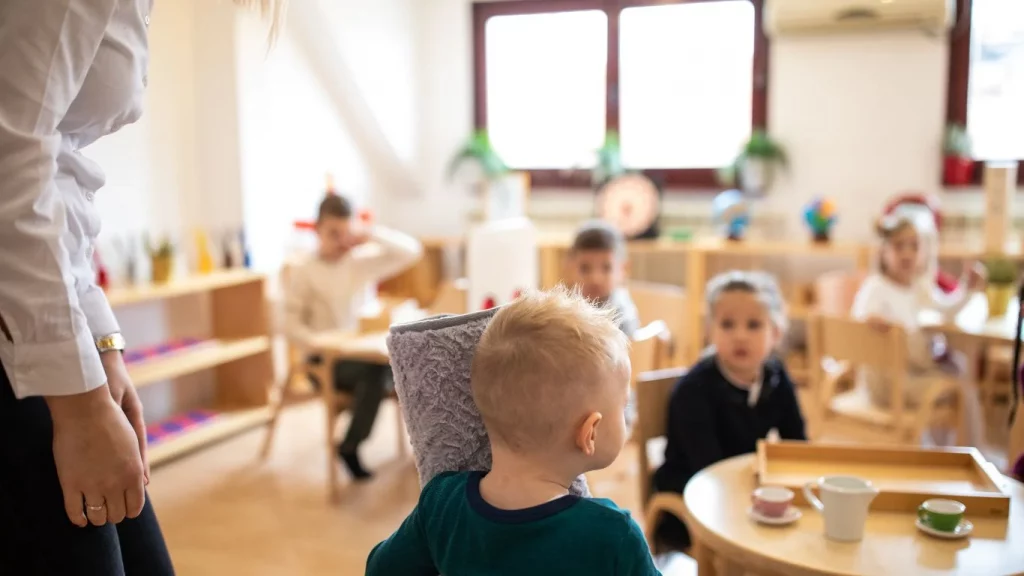
Our classrooms are warm, bright, and thoughtfully designed to invite independence and creativity. We blend academic learning with emotional development, self-care with social care, and play with purpose.

You’ll find:

  • Cozy learning environments filled with real, tactile materials
  • Teachers who guide and encourage rather than instruct
  • Mixed-age classrooms that help children learn from one another
  • A peaceful rhythm to the day that honors each child’s natural development
Enrollment for 2025–26 Is Now Open

Enrollment for 2025–26 is Now Open

Yes, already! And we can’t wait to welcome new families into our community.

Whether your child is just turning two or getting ready for kindergarten, we have a program that’s just right for their developmental stage. From our infant care to our early elementary classrooms, every space is created with purpose—and with your child’s happiness and success in mind.

Special Offer: 20% OFF Your First Month’s Tuition

We’re currently offering 20% off the first month’s tuition for all new families joining us for the 2025–26 school year. It’s our way of saying thank you for starting this journey with us.

Note: Spaces do fill up quickly, so we encourage early registration.

Take the First Step Toward a Brighter Future!

Come experience the Joyous Montessori difference!

👉 Join us at our Open House Saturdays, happening from June 28 to August 9, 2025, between 11:30 AM and 1:30 PM—meet our dedicated teachers, explore our beautifully prepared classrooms, and discover how Montessori learning can unlock your child’s full potential.

Schedule Your Personalized Tour Today 

Secure Your Spot for the 2025-26 School Year – Enroll Now 

Visit us online for more information: www.joyousmontessori.com
📞 Call Us: (817) 431-6661
📍 Location: 1685 Keller Pkwy, Keller, TX 76248

Let’s make this the year your child thrives—starting now. We’re excited to meet you!

Top 10 Montessori Toys Featured
Banner-Montessori-Toys-blog
Montessori education is based on self-directed learning, hands-on experiences, and fostering independence in children. One of the best ways to support Montessori principles at home is by incorporating Montessori-inspired toys into a child’s play environment. These toys encourage creativity, problem-solving, motor skills, and cognitive development. At Joyous Montessori, we believe in providing children with the best tools for learning and development. In this article, we will explore the top 10 Montessori toys that help promote child development.
Wooden Blocks

1. Wooden Blocks

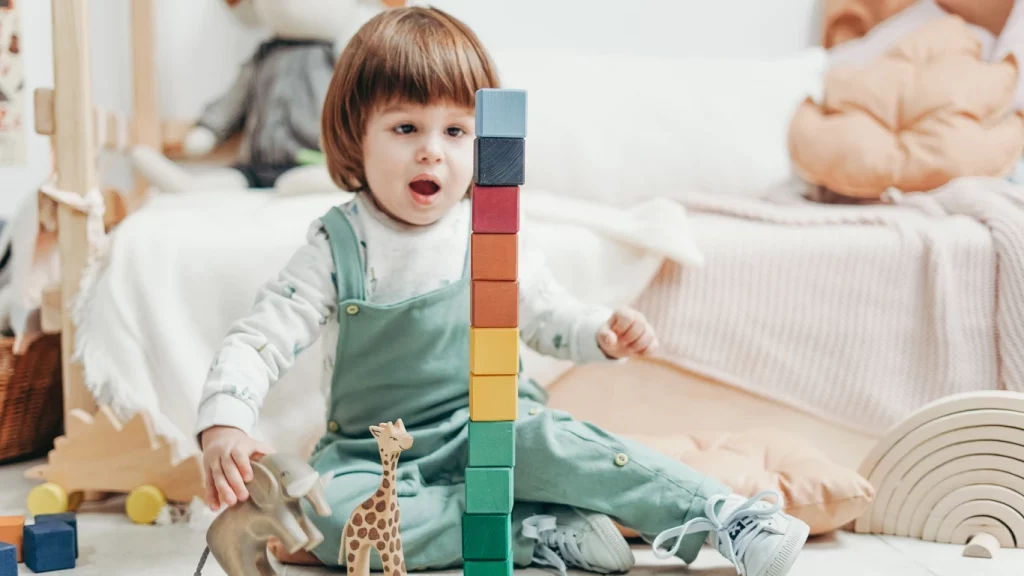
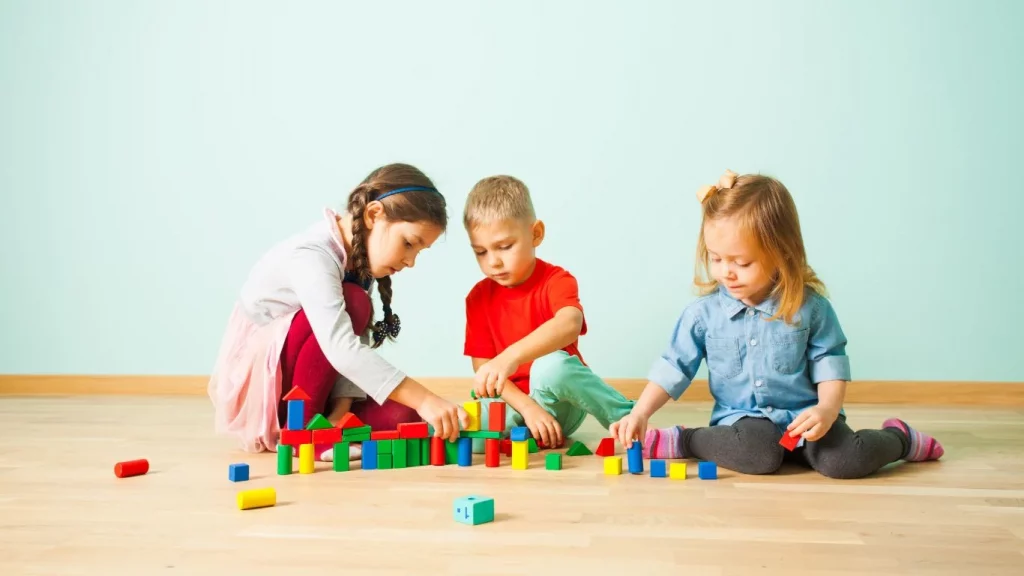
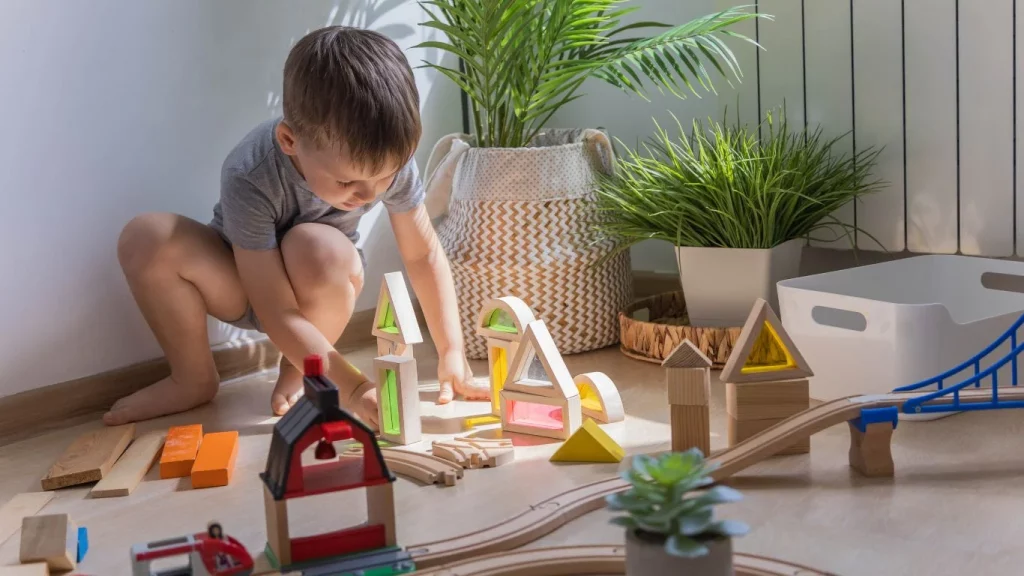
Wooden blocks are a staple in Montessori classrooms and homes. They help children develop fine motor skills, hand-eye coordination, and spatial awareness. Stacking, sorting, and building with blocks encourage problem-solving and imaginative play.

2. Shape Sorters

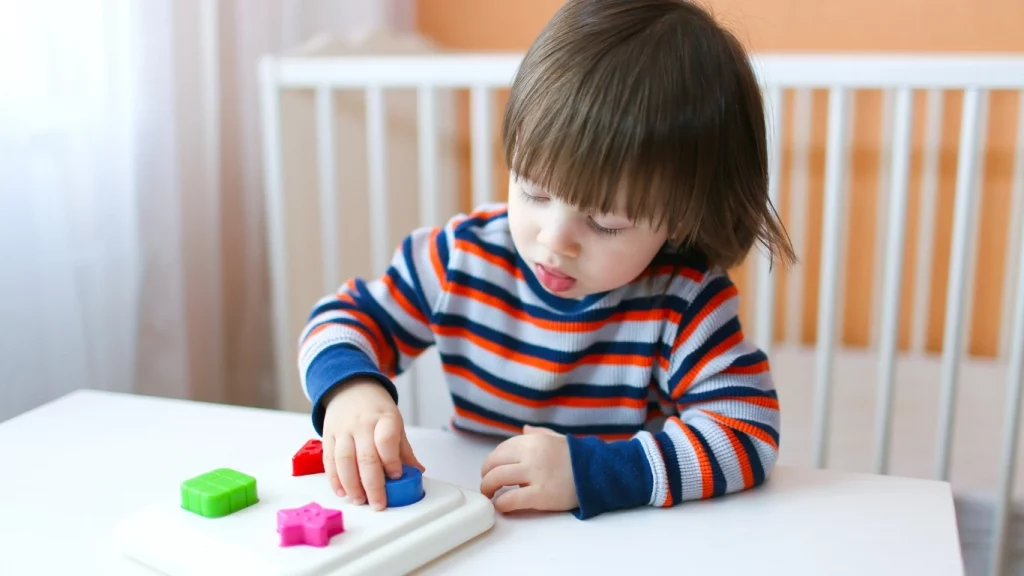
Shape sorters challenge children to match different geometric shapes to corresponding holes. This activity enhances hand-eye coordination, shape recognition, and logical thinking. Montessori-friendly shape sorters are usually made of wood and have simple, natural colors.
Shape Sorters
Practical Life Play Sets

3. Practical Life Play Sets

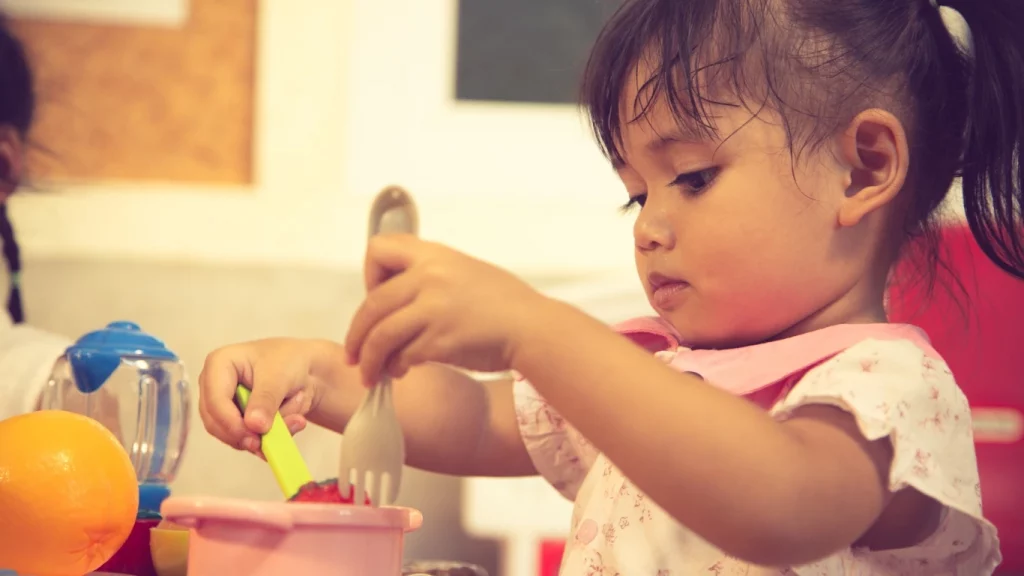
Practical life activities are a fundamental part of the Montessori method. Toys like miniature kitchen sets, sweeping kits, and dressing frames teach children important life skills while improving their fine motor skills. These activities help children develop independence and confidence.

4. Stacking and Nesting Cups

Stacking and nesting cups encourage grasping, hand control, and problem-solving. They also teach early math concepts like size comparison and sequencing. This simple yet effective toy allows children to explore through trial and error, fostering curiosity and persistence.
Stacking and Nesting Cups
Busy Boards

5. Busy Boards

Busy boards include zippers, buttons, latches, and switches, all of which help develop fine motor skills and hand dexterity. These boards mimic real-life tasks, allowing children to practice self-care skills such as buttoning shirts and tying shoelaces.

6. Wooden Puzzles

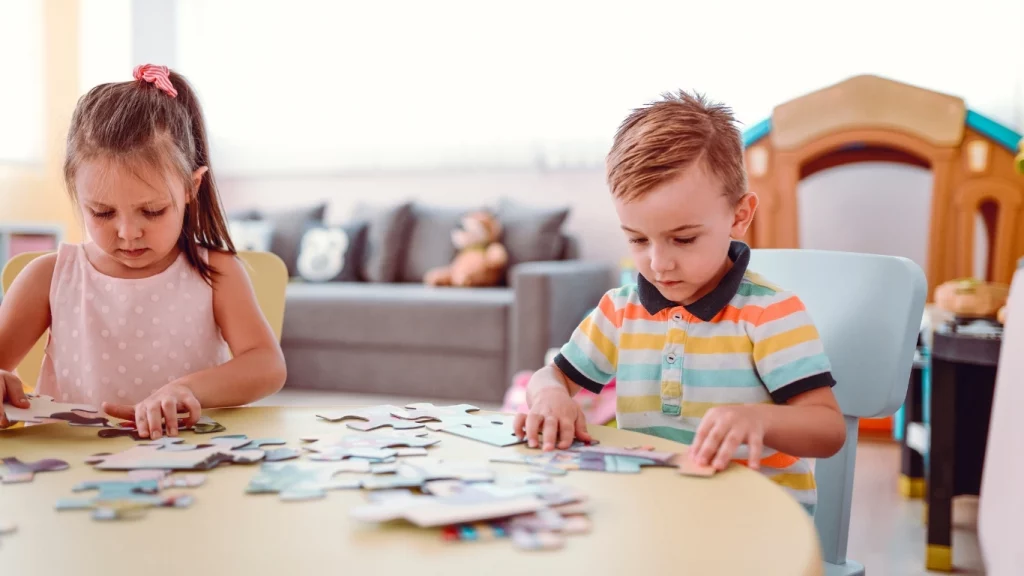
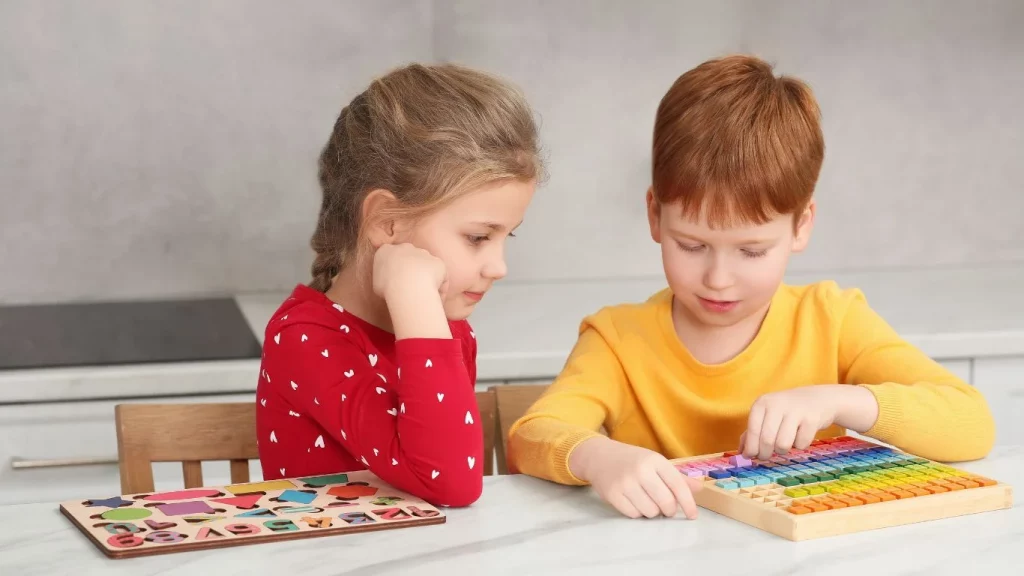
Montessori wooden puzzles come in various themes, such as animals, letters, and numbers. These puzzles enhance problem-solving skills, memory retention, and hand-eye coordination. Chunky puzzles with large, easy-to-grasp pieces are ideal for younger children.
Wooden Puzzles
Bead Lacing Toys

7. Bead Lacing Toys

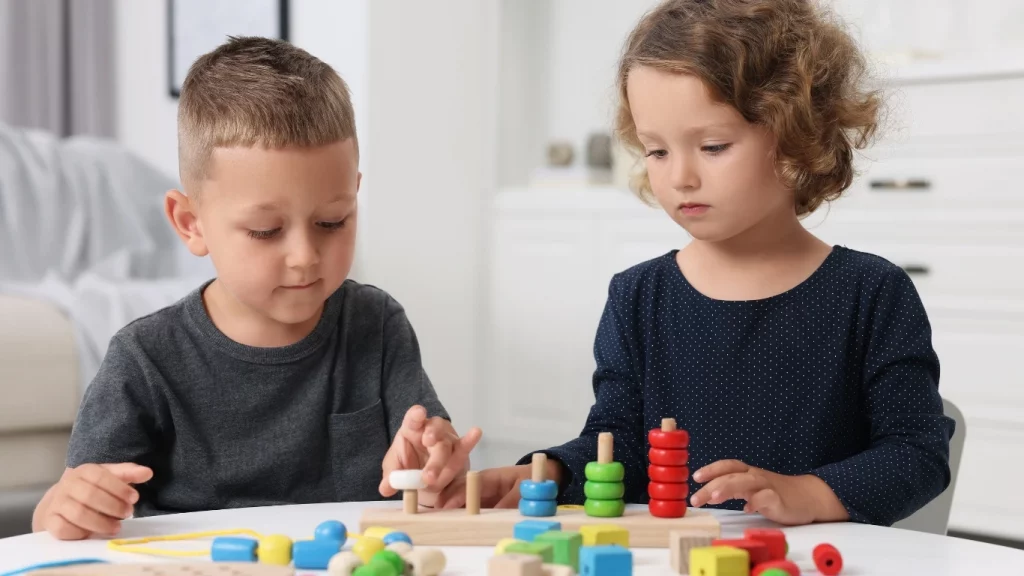
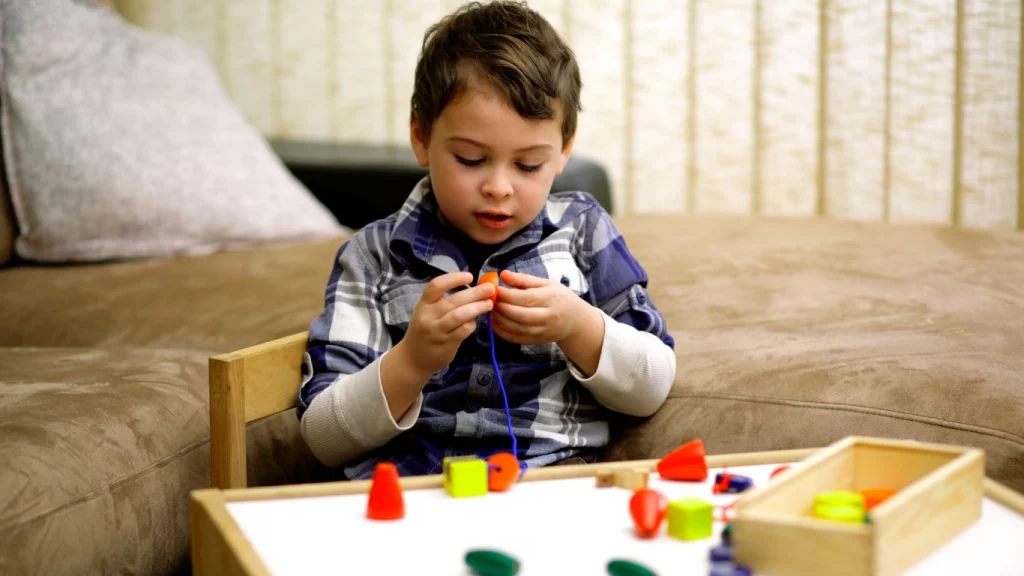
Bead lacing activities strengthen finger muscles, concentration, and hand-eye coordination. This toy also helps children develop patience and precision as they thread beads onto a string, an important pre-writing skill.

8. Counting and Sorting Toys

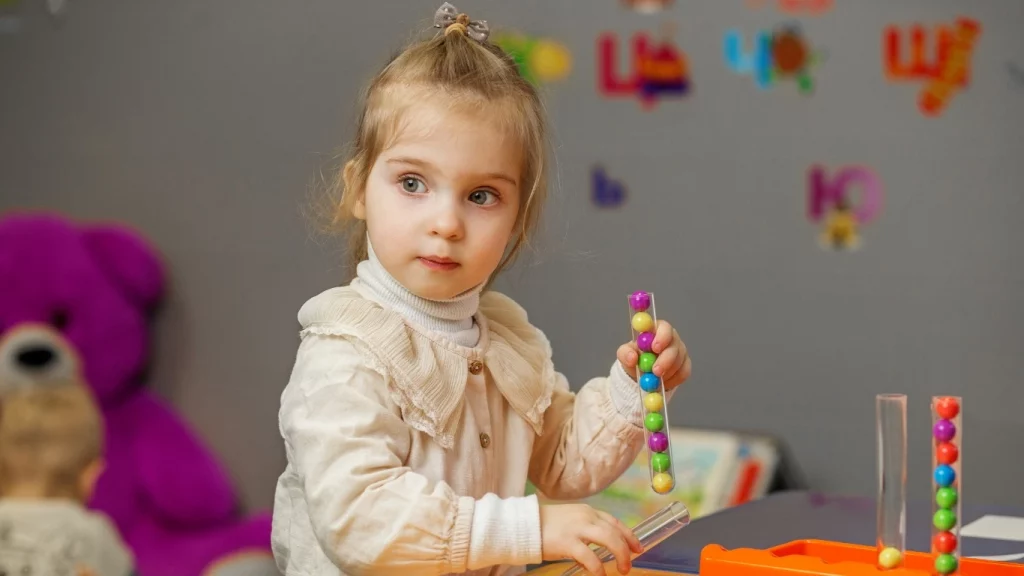
Counting toys, such as abacuses and number rods, introduce early math concepts in a hands-on way. Sorting toys, like colored pegs or counting bears, improve logical thinking, color recognition, and pattern formation. These toys make learning math fun and engaging.
Counting and Sorting Toys
Musical Instruments

9. Musical Instruments

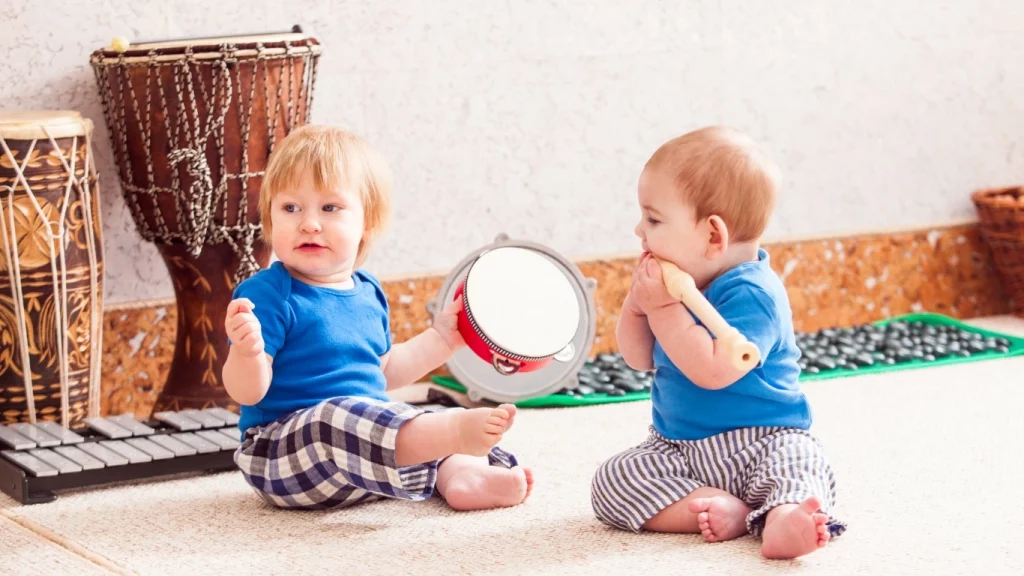
Simple instruments like xylophones, tambourines, and wooden drums encourage children to explore sound, rhythm, and coordination. Musical play supports auditory development, self-expression, and motor skills while fostering an early appreciation for music.

10. Nature Exploration Kits

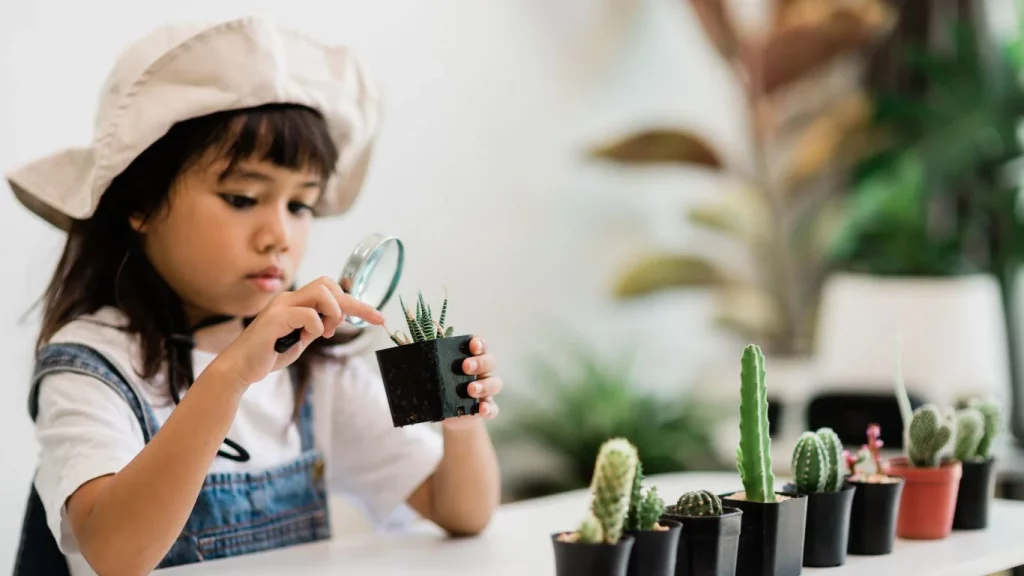
Montessori education emphasizes a connection with nature. Nature kits, such as magnifying glasses, bug jars, and plant-growing sets, inspire curiosity about the natural world. These kits promote scientific thinking, observation skills, and environmental awareness.

Nature Exploration Kits

Choosing Montessori Toys for Your Child

When selecting Montessori toys, keep the following principles in mind:

Natural materials

Natural materials

Wooden, fabric, or metal toys are preferred over plastic.

Minimalist design

Minimalist design

Simple, functional toys encourage open-ended play.
Real-life application

Real-life application

Toys that mimic everyday tasks help children build real-world skills.
Hands-On Learning

Hands-on learning

Montessori toys should promote active, self-directed exploration.

Final Thoughts

Montessori-inspired toys play a crucial role in a child’s development, fostering creativity, independence, and critical thinking. By incorporating these toys into daily play, parents can support their child’s learning journey in a meaningful and engaging way. Investing in quality Montessori toys can make a significant difference in a child’s early education, setting them up for success in the future.

At Joyous Montessori, we are committed to creating an enriching environment that nurtures a child’s natural curiosity and development. Our programs integrate these learning tools to help children reach their full potential. Contact us today to learn more about how we can support your child’s growth and development! Enroll now and enjoy 50% off the second month’s tuition—an opportunity to give your child the best start in life at an affordable cost!

Joyous Tuition Blog Featured
montessori tuition blog banner

Montessori education is renowned for its unique approach to nurturing creativity, independence, and lifelong learning. As parents, providing this high-quality education to your child can feel like a priceless investment. However, the tuition fees associated with Montessori preschools often become a major family consideration. If you’re looking for practical ways to afford Montessori education, this guide offers tips and insights to make it more accessible without compromising quality.

1. Understand the Value of Montessori Education

Before diving into ways to afford tuition, it’s essential to understand what sets Montessori schools apart. Montessori preschools emphasize hands-on learning, self-directed activities, and individualized attention. They offer a nurturing environment that caters to each child’s learning style and pace. With these benefits, the tuition is often an investment in your child’s long-term development, making it worth prioritizing in your budget.
Understand the Value of Montessori Education
Explore Tuition Discounts and Offers

2. Explore Tuition Discounts and Offers

Many Montessori schools offer discounts, scholarships, or special promotions to help families manage the costs. For instance, Joyous Montessori Preschool in Keller, TX, provides 20% off the first month’s tuition and 50% off the second month’s tuition. Always inquire about such offers and stay updated on promotional deals to save on initial costs.

3. Look for Scholarships and Financial Aid

Scholarship programs are a valuable resource for families looking to afford a Montessori education. Some schools provide need-based scholarships or grants to eligible families. Additionally, local community organizations and educational nonprofits may offer financial aid specific to early childhood education. Don’t hesitate to ask the school administration for guidance on available options.
Look for Scholarships and Financial Aid
Set Up a Savings Plan

4. Set Up a Savings Plan

Planning can make Montessori tuition more manageable. Start by setting up a dedicated savings account for your child’s education. Contribute regularly to this fund—even small amounts add up over time. Automated savings plans can simplify the process and ensure consistent contributions.

5. Budget for Education

Careful budgeting can free up resources for your child’s education. Review your monthly expenses and identify areas where you can cut back. For example, consider reducing discretionary spending like dining out or entertainment. Redirecting these funds toward tuition ensures your child’s education remains a top priority.

Budget for Education
Consider Employer Benefits

6. Consider Employer Benefits

Some employers offer childcare or education benefits as part of their employee packages. Check with your HR department to see if your company provides tuition reimbursement, dependent care flexible spending accounts (FSAs), or other educational incentives. These benefits can significantly ease the financial burden of Montessori tuition.

7. Utilize Tax Credits and Deductions

Certain tax benefits may apply to preschool tuition or childcare expenses. The Child and Dependent Care Tax Credit, for example, allows parents to claim a portion of qualifying childcare costs, which may include Montessori preschool tuition. Consult a tax professional to understand which credits or deductions you’re eligible for.

Utilize Tax Credits and Deductions
Flexible Payment Plans

8. Flexible Payment Plans

Many Montessori schools offer flexible payment plans to accommodate families’ financial needs. Instead of paying the tuition in one lump sum, consider monthly or quarterly installments. This approach can make tuition more affordable and easier to incorporate into your budget.

9. Choose Half-Day or Part-Time Programs

If full-time tuition feels out of reach, consider enrolling your child in a half-day or part-time Montessori program. These options provide the same high-quality education while reducing costs. Part-time programs are a great way to balance affordability with access to Montessori learning.
Choose Half-Day or Part-Time Programs
Plan for Sibling Discounts

10. Plan for Sibling Discounts

If you have more than one child attending Montessori school, ask about sibling discounts. Many schools offer reduced tuition for additional children enrolled in their programs. This policy can make Montessori education more feasible for families with multiple children.

11. Prioritize Montessori Education in Financial Planning

Affording Montessori tuition requires aligning your financial goals with your educational priorities. Treat your child’s education as a key financial goal, alongside savings for retirement or a home. Regularly revisit your financial plan to ensure it aligns with your long-term objectives.
Prioritize Montessori Education in Financial Planning
Ask for Referrals

12. Ask for Referrals

Some Montessori schools provide referral discounts for families who bring in new enrollments. If you know other parents considering Montessori education, encourage them to visit the school and mention your name. Referral incentives can lower your tuition costs while helping other families discover Montessori education.

13. Seek Local Grants or Assistance Programs

Inquire about local or state-level grants that support early childhood education. Some regions provide subsidies for families enrolling in accredited preschools. Researching these options can uncover additional resources to help fund your child’s Montessori education.
Seek Local Grants or Assistance Programs
Invest in the Long-Term Benefits

14. Invest in the Long-Term Benefits

While Montessori tuition may seem like a significant expense, it’s crucial to consider the long-term benefits. Montessori education fosters independence, critical thinking, and a love for learning, giving your child a strong foundation for future academic and personal success. This investment pays dividends throughout their lifetime.

Final Thoughts

Montessori education is an incredible gift you can give your child, and with thoughtful planning, it’s possible to make it more affordable. By exploring discounts, budgeting wisely, and leveraging financial aid, you can provide your child with the unique opportunities Montessori education offers. At Joyous Montessori, we’re committed to supporting families in creating a nurturing and enriching educational experience for their children. Contact us today to learn more about our tuition options, promotions, and programs designed to help your child thrive.

Balancing Play and Learning
Banner
Childhood is a critical period for growth and development, and finding the right balance between play and learning can shape a child’s future in profound ways. At Joyous Montessori, we recognize that play and structured learning are not opposites but complementary tools that work together to nurture a child’s holistic development.

The Value of Play in Early Childhood

Play is the natural language of children. It allows them to explore, imagine, and understand the world around them. Through play, children develop cognitive, emotional, social, and physical skills that become the foundation for lifelong success.

Key Benefits of Play

Fosters Creativity and Imagination

Fosters Creativity and Imagination

Play encourages children to think outside the box, build new worlds, and solve problems innovatively.
Builds Social Skills

Builds Social Skills

Interactive play teaches cooperation, negotiation, and empathy as children work together or take turns.
Enhances Physical Development

Enhances Physical Development

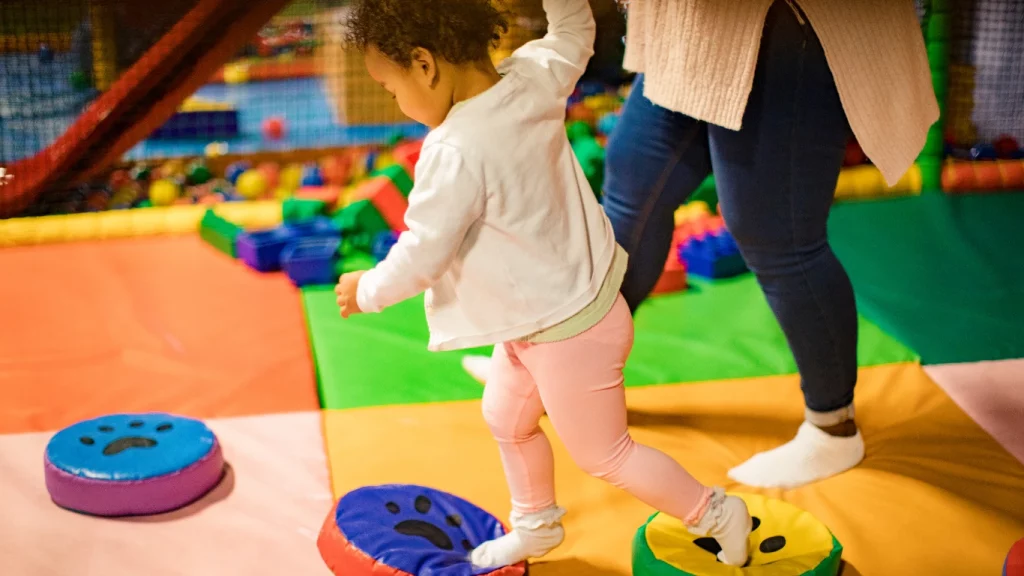
Running, climbing, and engaging in other physical activities during play strengthen motor skills and overall health.
Supports Emotional Growth

Supports Emotional Growth

Play provides a safe outlet for expressing feelings and learning self-regulation.

The Importance of Learning in Early Childhood

Structured learning, guided by educators, builds on the skills children acquire during play. It introduces children to academic concepts, problem-solving techniques, and social norms, setting the stage for future educational success.

Key Benefits of Structured Learning

Cognitive Development

Cognitive Development

Activities such as reading, counting, and exploring science concepts enhance critical thinking and comprehension.
Language Skills

Language Skills

Classroom interactions and planned lessons expand vocabulary and improve communication abilities.
Discipline and Focus

Discipline and Focus

Learning routines teach children the importance of concentration and following instructions.
Preparation for the Future

Preparation for the Future

Exposure to structured learning prepares children for higher education and life’s challenges.

How Joyous Montessori Blends Play and Learning

At Joyous Montessori, we embrace a child-centered approach where play and learning coexist seamlessly. Our experienced teachers carefully design programs that allow children to explore their interests while engaging in structured activities that promote growth.

1. Hands-On Learning Activities

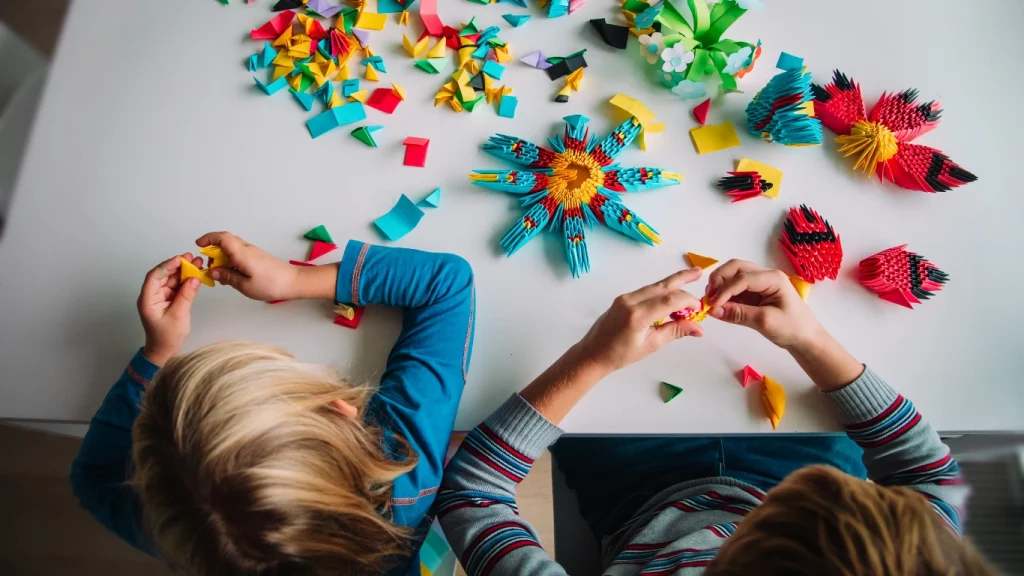
We use Montessori materials to engage children in tactile, exploratory learning. These activities, such as building with blocks or sorting objects, feel like play but teach essential concepts like math, geometry, and logical thinking.

Hands-On Learning Activities
Themed Play Areas

2. Themed Play Areas

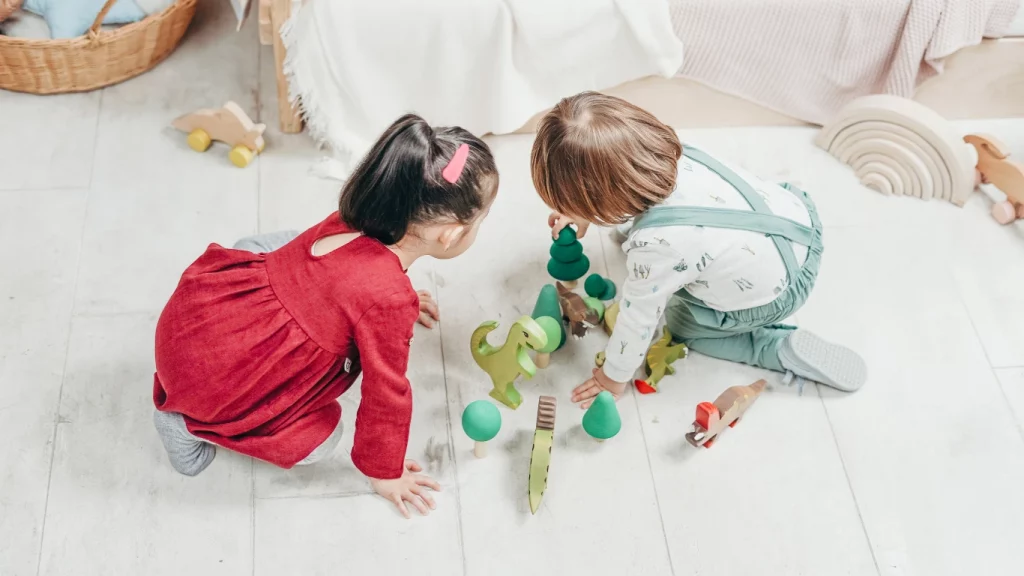
Our classrooms feature dedicated play zones that encourage creative expression. These areas are intentionally aligned with our curriculum, blending imaginative play with educational goals.

3. Outdoor Exploration

Time spent outdoors is invaluable for physical and mental well-being. Our students explore nature, engage in group games, and develop coordination while fostering a love for the environment.
Outdoor Exploration
Music, Art, and Movement

4. Music, Art, and Movement

Creative arts are a cornerstone of our program. Children sing, paint, dance, and express themselves while developing fine motor skills, cultural awareness, and confidence.

Finding the Right Balance for Your Child

For parents, it can be challenging to determine how much time should be devoted to play versus structured learning. The truth is that the balance often depends on the child’s individual needs, interests, and developmental stage.

Tips for Balancing Play and Learning at Home

Encourage Free Play

Encourage Free Play

Allow your child unstructured time to play and explore independently or with friends.
Integrate Learning into Play

Integrate Learning into Play

Use games, puzzles, and storytelling as fun ways to teach new concepts.
Model Curiosity

Model Curiosity

Show excitement for learning through everyday activities, like cooking together or exploring a nearby park.
Set Routines

Set Routines

Balance screen time, active play, and quiet learning periods to create a harmonious schedule.
Communicate with Educators

Communicate with Educators

Work closely with your child’s teachers to align play and learning strategies at school and home.

The Joyous Montessori Promise

We believe that every child deserves a nurturing environment where they can grow into their best selves. By blending play and learning, we ensure that children not only excel academically but also thrive emotionally, socially, and physically.

Our commitment to fostering a love for learning and creativity sets us apart as a leader in early childhood education. At Joyous Montessori, children are given the tools to succeed while still enjoying the wonder and magic of childhood.

The Joyous Montessori Promise

Schedule a Tour Today!

We invite you to visit Joyous Montessori and see how we balance play and learning in action. Meet our dedicated team, explore our vibrant classrooms, and discover how our programs can make a difference in your child’s life.

Ready to Begin the Journey?

Contact us to schedule your tour or inquire about enrollment today! Together, let’s nurture a generation of well-rounded, curious, and confident learners.

the montessori advantage
Banner

As a parent, have you ever paused and wondered:

“Am I choosing the right educational path for my child?”

It’s not just about academics, is it?
It’s about confidence. Independence. Happiness.
It’s about who your child becomes, not just what they learn.

With so many options available, deciding where your child should begin their educational journey can feel overwhelming. Traditional preschool? Daycare? Montessori?

And maybe the bigger question is:

If Montessori feels right… Why wait?

At Joyous Montessori, we’ve seen firsthand how early enrollment can shape a child’s growth in powerful ways. Let’s explore why Montessori offers such a strong advantage, and why now may be the perfect time to act.

1. What If Learning Were Designed Around Your Child?

Have you noticed how differently children learn?

Some move quickly.
Some observe quietly before engaging.
Some dive in hands-first.

So why would every child be expected to learn the same way, at the same pace?

Montessori education is built on a child-centered foundation. Instead of pushing every student through identical lessons, children work at their own developmental pace.

What If Learning Were Designed Around Your Child

Imagine your child:

  • Choosing meaningful work independently
  • Exploring subjects that spark curiosity
  • Feeling proud instead of pressured

At Joyous Montessori, teachers guide rather than lecture. They observe and introduce lessons when the child is ready, not when a calendar says they should be.

And here’s something important to consider:

What could happen if your child experienced this kind of personalized support from the very beginning?

How Does Hands-On Learning Shape Long-Term Success

2. How Does Hands-On Learning Shape Long-Term Success?

Think about this:

Do children truly understand concepts by memorizing them… or by experiencing them?

Montessori classrooms are filled with hands-on materials designed to make abstract ideas concrete. Instead of worksheets, children use tactile tools, counting beads, number rods, and sandpaper letters, which allow them to feel learning.

When a child physically experiences math, language, or science concepts:

  • Critical thinking develops naturally
  • Problem-solving becomes intuitive
  • Confidence grows through mastery

Rather than asking, “Did I get the right answer?”
Children begin asking, “How does this work?”

And when curiosity replaces pressure, something powerful happens: learning becomes joyful.

Wouldn’t you want that foundation in place as early as possible?

3. What Happens When a Child Learns Independence Early?

Let’s pause for a moment.

How does your child react when they say, “I can do it myself”?

Montessori classrooms are intentionally designed to encourage independence. Children:

  • Pour their own water
  • Prepare simple snacks
  • Return materials independently
  • Make thoughtful choices
What Happens When a Child Learns Independence Early

These may seem like small actions, but they build something much bigger: self-belief.

When children are trusted with responsibility, they rise to meet it.

At Joyous Montessori, independence isn’t taught through pressure; it’s developed through opportunity.

And here’s a meaningful question:

How different might your child’s future look if confidence became their starting point?

Why Does a Multi-Age Environment Matter

4. Why Does a Multi-Age Environment Matter?

In the real world, we don’t spend time only with people our exact age.

So why would learning be limited that way?

Montessori classrooms group children in multi-age environments. Younger children observe and learn from older peers. Older students reinforce their knowledge by mentoring younger classmates.

This creates:

  • Leadership skills
  • Empathy and patience
  • Natural collaboration
  • Strong communication abilities

Younger children are inspired. Older children grow in responsibility.

Now consider this:

Wouldn’t it be powerful for your child to develop social confidence alongside academic growth?

The earlier they enter this environment, the sooner those social foundations begin forming.

5. What If Your Child Loved Learning?

One of the greatest gifts Montessori offers isn’t a test score, it’s a mindset.

Because children choose meaningful work aligned with their interests, they develop intrinsic motivation. Learning doesn’t feel forced. It feels exciting.

Instead of asking:
“Do I have to go to school?”

They begin asking:
“What will I discover today?”

What If Your Child Loved Learning

At Joyous Montessori, classrooms are calm, inviting, and purposeful. Children aren’t rushed. They’re respected.

And when children feel respected, they engage more deeply.

Isn’t that the kind of learning environment you would want for your child?

Why is Now the Right Time to Enroll

6. Why is Now the Right Time to Enroll?

Early childhood is a critical window for cognitive, emotional, and social development.

These years cannot be repeated.

Montessori education is uniquely aligned with this stage of growth, supporting:

  • Brain development
  • Emotional regulation
  • Executive functioning
  • Social awareness

Waiting may feel safe.

But ask yourself:

If Montessori feels aligned with your values, what would waiting really accomplish?

There’s another practical consideration. Montessori programs, especially trusted schools like Joyous Montessori, often have limited spots. Enrollment fills quickly because families recognize the long-term impact of early Montessori education.

Acting now ensures:

  • Your child secures a place
  • You avoid last-minute stress
  • Your family can transition smoothly

The Montessori Advantage is More Than Academics

At its core, Montessori isn’t about getting ahead.

It’s about growing well.

It’s about nurturing capable, thoughtful, confident children who trust themselves and love to learn.

So here’s one final question:

When you picture your child five years from now, what qualities matter most?

If independence, curiosity, resilience, and confidence are part of that vision, Montessori may be the path that helps bring it to life.

Schedule a tour at Joyous Montessori today and see the difference for yourself.
Because sometimes the best time to invest in your child’s future… is now.