Blog
Posts Tagged ‘Montessori parenting’
Why Kids Ask “Why?”

Why Kids Ask “Why?” (And Why We Love It at Joyous Montessori)
If you’ve ever spent time with a preschooler, you know the question that seems to pop up every five minutes: “Why?”
Why is the sky blue? Why do I have to eat vegetables? Why do birds fly? Why can’t I stay up late?
For parents, this endless stream of “whys” can sometimes feel overwhelming. But at Joyous Montessori, we believe those tiny questions are actually big windows into your child’s growing mind. In fact, curiosity is at the very heart of Montessori education, and we wouldn’t have it any other way.
The Science Behind “Why”
Children are natural scientists. Every “why” is an experiment, a hypothesis, and a chance to test the world around them. Research shows that asking questions helps kids:
- Build stronger problem-solving skills
- Develop language and communication abilities
- Strengthen memory and critical thinking
- Boost creativity and confidence
In short, each “why” is your child’s way of making sense of life and laying the foundation for lifelong learning.
Why Montessori Encourages Curiosity
Traditional classrooms often focus on memorization and “right” answers. Kids are expected to listen, follow, and absorb. But in a Montessori classroom, curiosity is celebrated as a powerful learning tool.
At Joyous Montessori, we encourage children to:
- Explore freely within a prepared, safe environment
- Choose activities that interest them most
- Learn through hands-on experiences instead of passive instruction
- Ask questions and investigate rather than accept answers at face value
This approach transforms “Why?” into a journey of discovery rather than a point of frustration.
How Teachers Respond to “Why” in Montessori
Instead of shutting down a child’s question with a quick response, Montessori guides (teachers) use questions as opportunities to spark deeper thinking. For example:
- Child: “Why is the plant leaning toward the window?”
- Teacher: “That’s interesting! What do you notice about the light? Do you think the plant might be reaching for something?”
This kind of response does two things:
- It acknowledges the child’s curiosity as valuable.
- It encourages the child to explore further, maybe even by experimenting, moving the plant, and observing what happens.
In this way, every “why” becomes the start of an investigation, not the end of the conversation.
The Joyous Montessori Difference
At Joyous Montessori, we understand that every child learns at their own pace. Curiosity is not just tolerated, it’s embraced as part of daily life. Our classrooms are designed to encourage wonder and discovery:
- Hands-on materials that invite children to touch, explore, and experiment
- Mixed-age groups that allow younger children to learn from older peers, and vice versa
- Freedom of choice that helps kids follow their natural interests
- A calm, respectful environment where questions are valued and children feel safe to express themselves
By nurturing curiosity, we prepare children not just for school, but for life.
Why Parents Love Our Approach
Many parents tell us they notice a big difference when their children experience Montessori learning. Kids become:
- More independent (“I can do it myself!”)
- More confident in asking questions and solving problems
- Better at expressing emotions and thoughts
- Excited to share discoveries at home (“Mom, did you know…?”)
These are the lifelong benefits of honoring that little word why.
Helping Parents Embrace the “Why” at Home
We know parents sometimes struggle with the constant questions. Here are a few Montessori-inspired tips to keep curiosity alive at home:
Pause before answering
Ask your child, “What do you think?” to spark their own reasoning.
Explore together
If you don’t know the answer, look it up, experiment, or observe together.
Encourage hands-on learning
Kids learn more by touching, moving, and experiencing than by just listening.
Celebrate curiosity
Instead of sighing at the 50th “why,” try to see it as a sign of growth.
When children feel their curiosity is respected, they stay engaged and eager to learn.
The Big Picture: Why We Love “Why”
At Joyous Montessori, we don’t see “why” as a nuisance. We see it as a gift. A curious child is an engaged child. An engaged child is well on their way to becoming a lifelong learner, problem solver, and confident thinker.
So the next time your child asks, “Why?” remember:
It’s not just a question, it’s the start of a discovery.
And at Joyous Montessori, we’ll always welcome that journey.
Ready to see curiosity in action?
Schedule a tour at Joyous Montessori today and discover how we nurture your child’s natural love of learning.
👉 Visit Joyous Montessori
Montessori Parenting: Teaching Life Skills Through Everyday Activities
Parenting is a journey filled with countless teachable moments. The Montessori approach to parenting emphasizes hands-on learning, independence, and real-world skills that prepare children for life. Unlike traditional education, which often relies on rote memorization, Montessori parenting integrates learning into everyday activities, helping children gain confidence and practical abilities through natural experiences.
At Joyous Montessori, we believe that every child has the potential to thrive when given the right guidance and environment. Our Montessori programs encourage children to explore, learn, and develop essential life skills through engaging, age-appropriate activities. And now, to make quality education more accessible, we are offering 20% Off the First Month’s Tuition!
Understanding Montessori Parenting
The Importance of Teaching Life Skills
Practical Life Activities in Montessori Parenting
Montessori principles can be applied to various aspects of daily life. Here are some practical activities that help instill life skills in children:
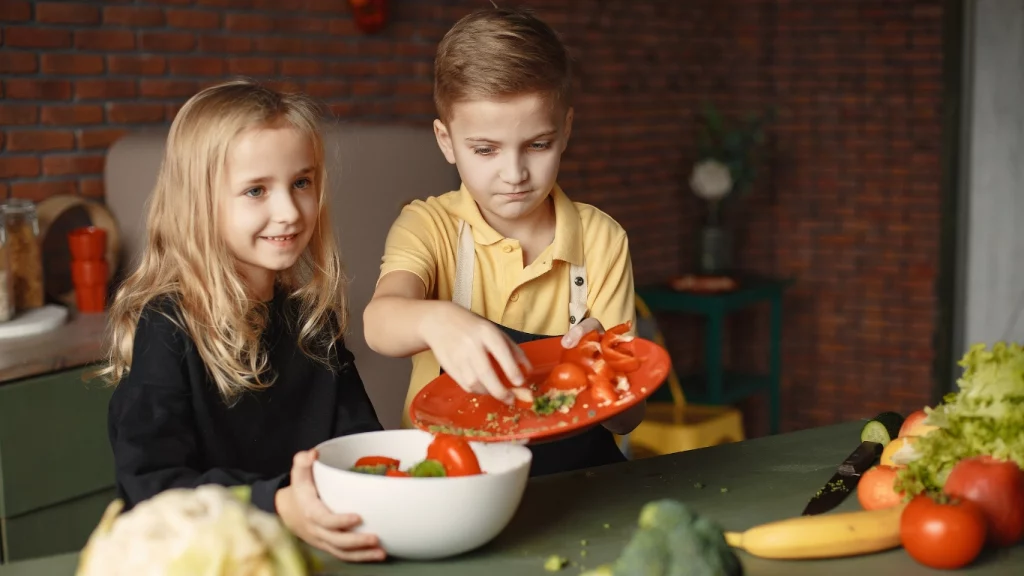
1. Cooking and Meal Preparation
Cooking is an excellent way to teach children essential life skills, such as following instructions, measuring, and developing fine motor skills. Encourage your child to:
- Wash fruits and vegetables
- Pour ingredients into bowls
- Stir batter or mix ingredients
- Set the table for meals
- Spread butter or jam on toast
These simple tasks enhance coordination, patience, and an appreciation for healthy eating habits.
2. Cleaning and Organizing
- Wiping tables and countertops
- Sweeping small spills with a handheld broom
- Folding small towels or clothes
- Watering plants and caring for pets
- Organizing toys and books after playtime
By incorporating these activities into their routine, children learn to take pride in their environment and develop a sense of responsibility.
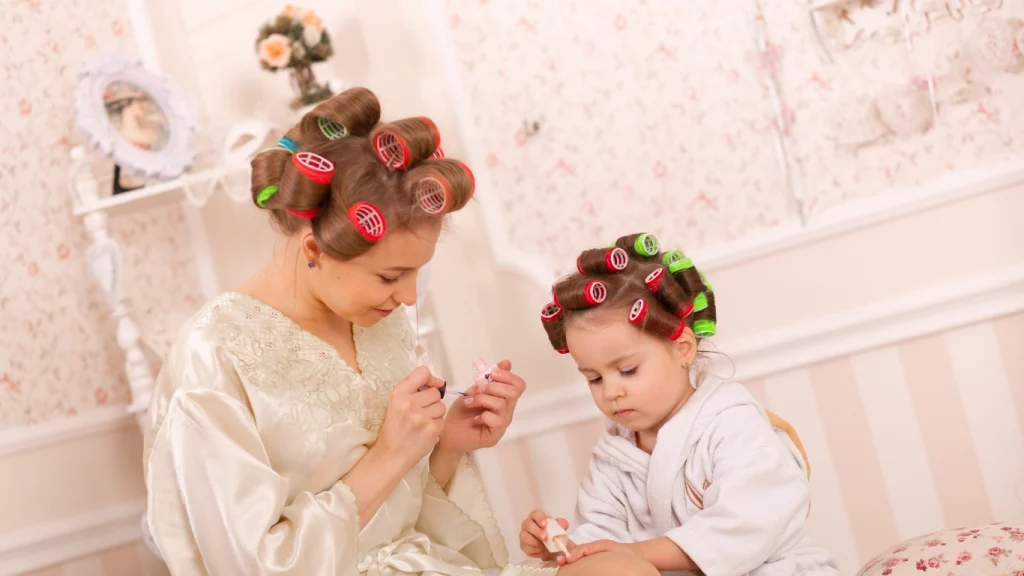
3. Dressing and Self-Care
- Providing clothes with simple fasteners, like elastic waistbands or Velcro shoes
- Teaching them to button shirts and zip jackets
- Encouraging them to brush their teeth and wash their hands independently
- Allowing them to choose their outfits based on the weather
These activities promote independence, self-confidence, and decision-making skills.
4. Money Management and Shopping
- Comparing prices and choosing items within a budget
- Counting money and handling cash transactions
- Placing groceries on the conveyor belt and bagging items
- Understanding the value of money and making wise purchasing choices
These experiences help children understand financial responsibility from a young age.
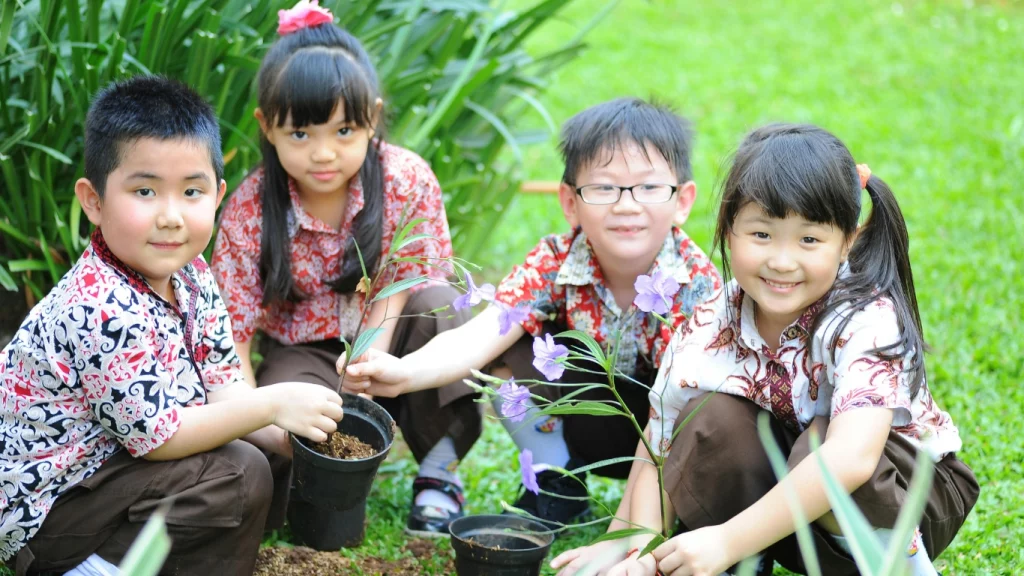
5. Gardening and Outdoor Activities
- Planting seeds and watering plants
- Pulling weeds and caring for a garden
- Observing the growth of fruits and vegetables
- Learning about different plants and their uses
Outdoor activities like nature walks, scavenger hunts, and camping trips also encourage curiosity, problem-solving, and a connection with the environment.
6. Communication and Social Skills
- Use polite phrases like “please” and “thank you”
- Express their feelings and thoughts clearly
- Engage in storytelling and imaginative play
- Participate in family discussions and decision-making
By fostering healthy communication habits, children develop emotional intelligence and build meaningful relationships.
Creating a Montessori-Friendly Home Environment
A Montessori-inspired home provides a space where children can freely explore and engage in meaningful activities. Here’s how you can create an environment that encourages learning
Child-Sized Furniture
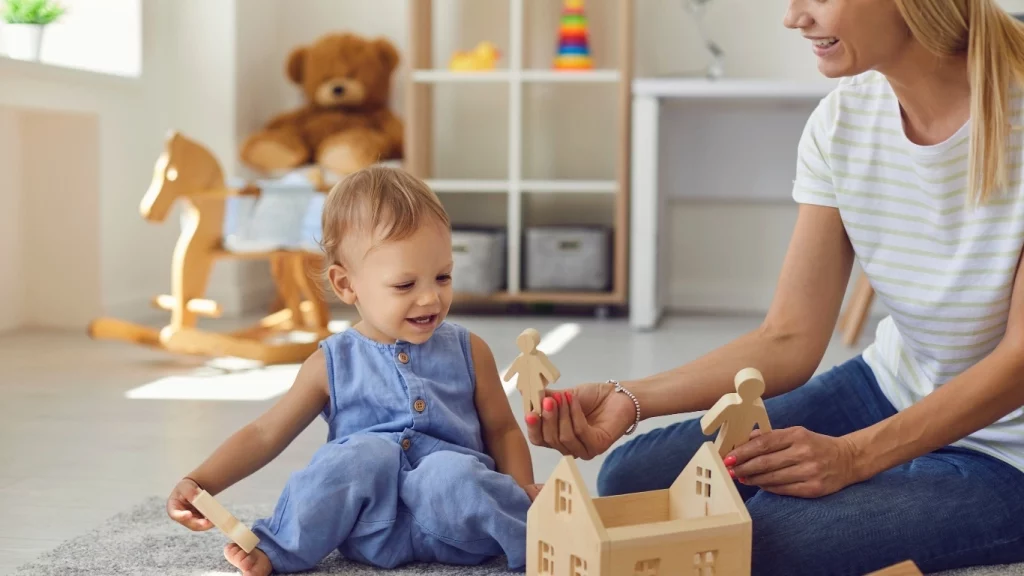
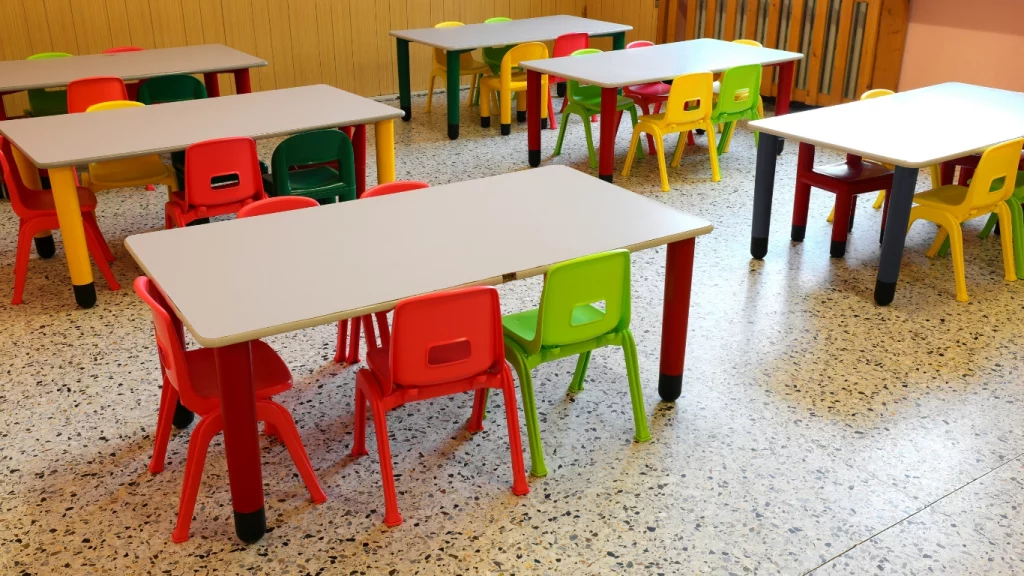
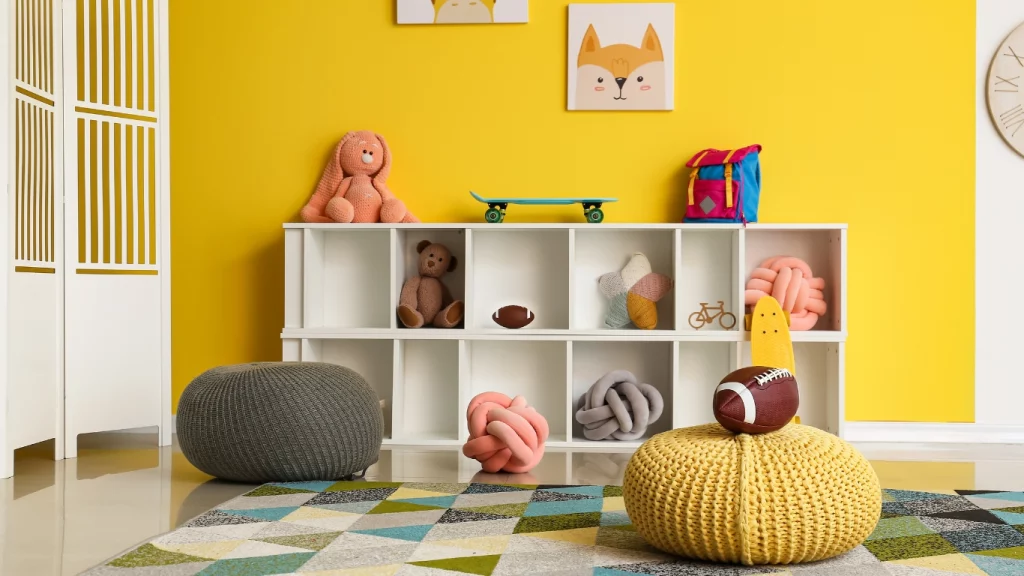
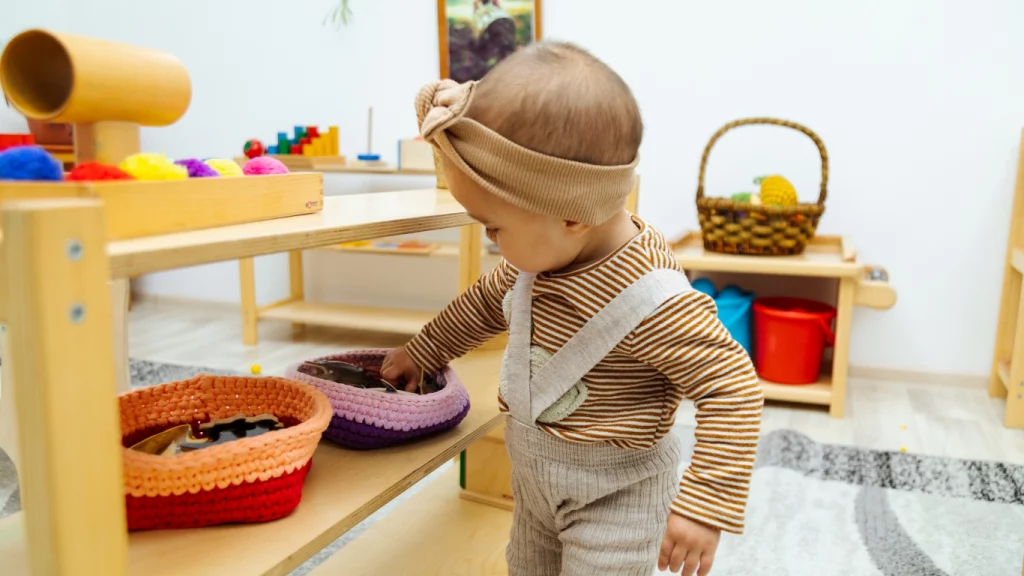
Low shelves, tables, and chairs allow children to access materials independently.
Organized Spaces
Clearly labeled bins and designated spaces for toys, books, and clothes promote order and responsibility.
Accessible Tools
Natural Materials
Limited Distractions
The Benefits of Montessori Parenting
Incorporating Montessori principles into daily life offers numerous benefits, including:
Increased Independence
Children learn to take care of themselves and their environment.
Enhanced Problem-Solving Skills
Boosted Confidence
Stronger Parent-Child Bond
Engaging in activities together fosters a deeper connection and mutual respect.
Lifelong Love for Learning
Children develop curiosity and enthusiasm for exploring the world around them.
Joyous Montessori: A Home for Holistic Learning
Final Thoughts
Montessori parenting is a powerful approach that turns everyday experiences into valuable learning opportunities. By integrating life skills into daily routines, parents can raise confident, capable, and responsible individuals. Whether it’s cooking, cleaning, dressing, or gardening, each task contributes to a child’s growth and development in meaningful ways.
Embrace the Montessori method and watch your child thrive in an environment that nurtures independence, creativity, and joy in learning! And if you want a structured and engaging Montessori experience, consider enrolling your child at Joyous Montessori, where we turn learning into a lifelong adventure!